Why you couldn’t get StanChart marathon ticket Kenya is a nation of running champions, yet recreational running has long been a tiny niche. Until now. Something is shifting, and if you’ve started running lately, you’re at the front edge of a...
AI opens another growth window for Africa Africa’s AI opportunity will ultimately be measured by what it enables people to do, the businesses it helps grow and the public services it improves.
Forces shaping Global South fourth quarter outlook For the Global South, the significance lies in how the changes affect the different economies.
A degree delayed will always be a future deferred Delayed degrees can become delayed teachers, engineers, accountants and doctors for an economy that needs them now.
Kenya must confront eye problem in schools Uncorrected refractive error is the leading cause of vision impairment in children, affecting 86,000 learners across the country.
Product warranties deserve better attention Many sellers are quick to promise warranties. Interestingly, warranties used to be taken very seriously.
Kenya must pivot away from peripheral sprawl The reality is that families rarely move to the city edges out of preference. Most Kenyans want to live close to their workplaces, schools, hospitals, local markets and other key amenities.
Customer experience core to business strategy Allowing customers to go through the motions of interacting with the product enabled them to appreciate its relevance.
Why Kenya must own its language in AI age Why should we care about defining our local English? Because language is a commercial and strategic resource, especially in the age of Artificial Intelligence.
Lessons from inclusive tourism on purpose Kenya Tourism Board, through the Magical Kenya brand, brought destination-marketing expertise and industry networks to showcase Kenya through a more inclusive lens.
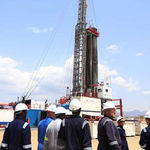
Address land claims in Lamu refinery project A businessperson who seeks to put their investment on privately owned land must negotiate and purchase it from affected proprietors at market rates. That’s straightforward.
Beauty products offer farmers new growth line It would be interesting to explore how Africa can translate its botanical research into commercially viable cosmetic ingredients.
MPs must look at all sides in tobacco Bill If regulation protects children while helping adults move away from smoking, it deserves support.
Loan swaps are Kenya's exit route from debt trap Borrowing that expands productive capacity is fundamentally different from one that sustains recurrent consumption.
Why Ruto’s UN General Assembly speech stood out What makes Ruto’s approach uniquely positioned to bear fruit where previous African leaders hit a brick wall? The answer lies in his economic pragmatism.
Closing Kenya’s agricultural extension gap Farmers can identify problems, test innovations, and tell researchers what works locally. Research, in turn, must be accessible beyond academic journals and translated into solutions that improve...
PRIME Kenyan manufacturing sector at a crossroads According to a recent private sector audit, electricity tariffs account for up to 35 percent of direct factory production costs.
PRIME Lamu refinery a 2030 answer to a 2026 fuel problem Lamu is the right long-term decision. It is not an answer to the cost and availability challenge we face today, and in fuel those are two different problems.
PRIME Statecraft: Engineering Kenya’s first world future President William Ruto’s administration has fundamentally redefined Kenyan statecraft by pivoting toward an inclusive, structurally anchored, and forward-looking economic doctrine.
PRIME Why succession is a silent crisis in family firms Handing over touches something personal: who am I once I let go of what I built my whole life?
PRIME The unaccompanied middle Strategically, you learn the difference between motion and progress, usually by spending two years on the wrong one. Every founder I respect has a season they would like back.
PRIME Kenya’s next economic powerhouse is being built by a generation of youth Connectivity and infrastructure only add value when they lead somewhere: a digital hub must offer our youth real pathways to jobs.
PRIME Kenya’s insurance industry faces opportunity to build a broader culture of protection Research by the Association of Kenya Insurers (AKI) points to a limited understanding of what insurance covers and uncertainty over whether claims will actually be paid.
PRIME Why President Ruto needs an implementation machine If there was one area where Kibaki excelled it was assembling a strong economic management team and empowering technocrats to get on with the job.
PRIME Regulating Kenya’s too-big-to-fall banks right step Between 1984 and 2016, Kenya experienced 27 banking failures with the more recent (as of 2016) cases being the collapse or resolution of banking institutions including Dubai Bank, Imperial Bank,...