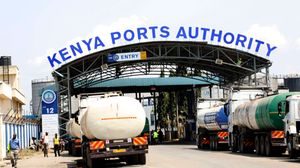
According to the latest edition of the State of World Fisheries and Aquaculture, released by the Food and Agriculture Organization of the United Nations (FAO) in Mombasa, aquatic animal foods provide 19 percent of animal protein available in the continent, which is the second highest share globally compared to other regions.
In some countries and communities, particularly along coasts, rivers and lakes, that contribution is even higher. Yet, Africa has the lowest per capita availability of aquatic animal foods in the world, 9.2kg per person and year, half of the global average.
This highlights a challenge: aquatic foods are key to food security and nutrition in Africa but availability is struggling to keep pace with demand. For too long, discussions about Africa’s food security primarily focused on land-based agriculture.
Crops and livestock are and will remain important, but Africa’s blue economy, including oceans, lakes and rivers are increasingly important and deserves greater strategic attention.
Sustainable wild capture fisheries are indispensable for a sustainable blue economy. They account for 54 percent of global aquatic animal production, while inland fisheries feed and nourish millions.
Across the Great Lakes region, the Niger basin, the Congo basin, and countless freshwater systems, inland fisheries provide affordable nutrition where alternatives are often limited and support millions of jobs across the value chain in rural communities where alternatives are limited.
However, capture fisheries alone cannot nourish Africa’s future food needs. However, wild fish stocks have biological limits and many are under pressure. At the same time, Africa’s population continues to grow faster than any other region in the world.
According to the FAO, Africa’s aquatic food production must grow by seven percent by 2050 to ensure current per capita availability of aquatic foods. Unless action is taken supply growth will not keep up with production growth, reducing per capita availability, adding pressure to other food systems.
Even today Africa relies on imported aquatic animal products to support domestic availability. The continent is a net importer of aquatic products by volume (measured in product weight). As the population grows and fish prices remain under pressure, the question of affordable protein is becoming urgent. This is where aquaculture can offer a solution.
Aquaculture, the farming of fish and other aquatic animals, is the fastest-growing food production sector globally, and Africa is leading this growth rate. Since 2000, aquaculture production on the continent has grown by an average of almost eight percent annually, but despite this the continent still produces only 2.3 percent of global animal aquaculture production.
This underscores the potential in Africa, as aquaculture accounts for only 18 percent of the total aquatic animal production.
Countries such as Egypt, Nigeria, Ghana, Uganda and Zambia are demonstrating what is possible.
Egypt alone produces two-thirds of Africa’s farmed fish. But apart from a few other countries, the sector’s potential remains largely untapped. Small-scale producers, the backbone of production in many countries, still struggle to access the financial and technical support to expand their output.
Closing this gap will require that governments treat fisheries and aquaculture and the broader ocean economy as strategic sectors linked to food security, employment and economic resilience in line with the ambitions of the Comprehensive Africa Agriculture Development Programme.
This means investing in research, improving aquaculture seed and feed supply systems, strengthening extension services and creating enabling policy environments that encourage private sector investments. It also means strengthening the management of inland and marine fisheries, which remain essential for nutrition, livelihoods and local economies in Africa.
But the challenge now is not simply to increase production.
Africa also has an opportunity to build aquatic food systems that are more inclusive, resilient and sustainable.
The continent still has time to avoid some of the environmental mistakes seen elsewhere, for example by promoting efficient aquaculture systems based on responsible water use, strong biosecurity and better spatial planning from the outset.
Abebe Haile-Gabriel is the FAO Assistant Director-General and Regional Representative for Africa and Prof Manuel Barange is Assistant Director- General and Director of the Fisheries and Aquaculture Division at FAO.
Unlock a world of exclusive content today!Unlock a world of exclusive content today!