Time flies with great content! Renew in to keep enjoying all our premium content.
State, media need not be adversaries always, try partnership
Governments in the East African region have always through speeches reminded us how they consider the media as partners in driving the development agenda and strive to promote a free environment in which the media can operate.
Government and media relations have traditionally been tenuous; governments looking at the media as snoozers in affairs deemed good for the citizens while media holding governments accountable on public interest issues.
This is a normal professional thing that must be accepted and respected. Nothing personal.
Challenge has been, in our governments, everybody is a media and communication ‘’experts” or has some beef with the media while a few journalists/editors have some personal scores with government to sort.
This has escalated the tensions between governments and the media, to a level that is very unhealthy and dangerous. Its now settling of personal scores, in most of the cases, by both the government and a few people in the media.
This is a big threat to not only freedom of expression, but a big economic threat to an industry that employs thousands and for citizens who depend on the media to access vital information on what the government is doing for them.
Oversighting government is a critical routine exercise that cannot be stopped or turned into personal wars-This oversight is done at all levels, including by public funded institutions such as Parliament, the Auditor General, Controller of Budget, EACC, DCI, Civil Society organisations, embassies, lending institutions, and the media.
Several reports by the institutions on government programmes exist, and corrective actions including arrests, indictments and punishments. To single out media as the only institution that must be punished for its watch dog is unfair.
It’s wrong to personalise this relationship between the government and the media-let the issue remains professional and respectful devoid of settling personal scores. Investors in the media sector are suffering, for the returns from the investments are reducing day by day, staff live in fear, while insurers have shunned the industry.
Governments in East Africa own media outlets especially the national broadcasters, in addition many members of Parliament including those in Government own media houses, and why they have never used this to influence public discussions and cry foul over a few privately owned media outlets remain baffling.
While the media has historically been viewed as being overly aggressive and insatiable in their plight for the latest and hottest news, their watchdog-type function is essential in a democratic society where people MUST know what their governments are doing.
The media has the capacity to hold governments accountable, forcing them to explain their actions and decisions, all of which affect the people they represent. As has been said again, any society that ascribes to democratic ideas, people should know all their options if they are to govern themselves and the media is a vehicle for the dissemination of such information.
The media plays a surveillance and watchdog role, disseminates information, entertains, educates and sensitizes the public to act.
The flow of information is important for the development of communities and the media facilitates this.
Without a wide array of information, people’s opinions and views would be limited and their impressions and conclusions of the world around them stunted. Journalists are in essence interpreters of information.
Governments in the East African region have always through speeches reminded us how they consider the media as partners in driving the development agenda and strive to promote a free environment in which the media can operate.
They commit not to allow our countries to slide back to the dark era of gagging the media, harassing of journalists, constraining media space and violation of media freedom that are fundamental to good governance.
Journalists on the other hand commit to remain professional and responsible in the reporting of our countries, making their main agenda, being among the key narrators of regions story.
As we move journalism and media practice from the adversarial engagement into the new realm of solution-based journalism, constructive journalism and development journalism, it’s possible that governments and the media relook at their relationship, from being always adversaries to partners without either compromising the independence and effectiveness of the other.
The media is an invaluable partner in communicating government development agenda, promote our core values, good governance and democracy on which a successful nation building is done.
Otherwise, the region’s agenda will continue being determined and shared by the international media and digital platforms where mostly the local story gets lost.
Strategic government communication, frequent proactive information disclosures especially around mega projects, public private partnerships and clear messaging are critical while professional use of editorial discretion and application of the request for information as guided under the Commission for the Administration of Justice- the Access to Information law is highly recommended for the media.
There is no option; public interest journalism requires investment into digging for information and courage from the media. Media cannot afford to manipulate information of spread misinformation and falsehoods.
Governments in the region have a responsibility to invest in the media through strengthening national public broadcasters, government owned websites and news agencies- which will relay government communication while at the same time creating a conducive working and business environment for private media to flourish.
Giving business to media, tax waivers on media equipment and establishment of media support funds are critical considerations to enable media, critical player in national development operate. This is important in supporting media viability, especially in raising professional and ethical standards in the media. Journalists need to be paid.
Even with the era of fast-evolving social media phenomenon for communication including for governments, traditional media is still strong especially outside urbans areas, integrated communication is the best approach. Lets have a human face and national interest in the media and government relations, for the country needs both.
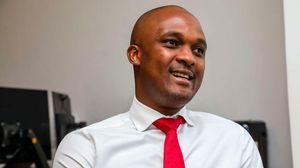
Victor Bwire is deputy CEO and programmes manager at Media Council of Kenya