How suburban growth is changing real estate

Residents in emerging urban nodes prioritise convenience and proximity, seeking access to essential services close to home rather than travelling into city centres.

Photo credit: Shutterstock

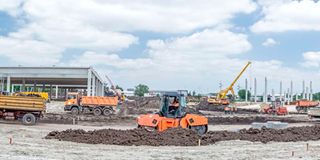
Kenya’s urban growth is increasingly taking on a decentralised character. Satellite towns along major transport corridors, particularly lower Mombasa Road, Athi River, Mlolongo, and Syokimau, are evolving rapidly, shedding their former identity as commuter settlements to become self-sustaining urban centres.

This transformation is being propelled by a combination of improved infrastructure, affordable housing, and shifting lifestyle preferences, creating new opportunities for residents and investors alike.

Insights from the Knight Frank Wealth Report 2025 indicate growing confidence in domestic, income-generating real estate, especially assets anchored in population growth and everyday demand.

Among surveyed wealth managers, a majority reported that their clients typically own multiple homes, 39 percent have three, 33 percent own two, 17 percent hold four, while only six percent possess a single property. These holdings reflect more than wealth accumulation; they are carefully curated to align with lifestyle needs.

Affluent Kenyans maintain a primary residence in Nairobi or other urban centres, a second home in rural or coastal areas for leisure, and additional investment properties that generate rental income or appreciate over time.

The upshot for investors is clear: there is a shift toward deliberate, demand-driven real estate. Properties are now evaluated on how people actually live rather than speculative potential.

In addition, the report adds that Kenya remains a key focus for commercial property investment. Urbanisation, ongoing infrastructure improvements, economic growth, and local familiarity all contribute to the country’s continued attractiveness.

Rapid expansion in Nairobi, Mombasa, Kisumu, and emerging urban centres continues to create demand for commercial spaces, while upgraded road networks, transport systems, and utilities improve accessibility and enhance property value.

Reduced commute times and enhanced connectivity have made satellite towns viable long-term choices for middle-income households.
As residential density increases, demand follows naturally for commercial amenities that support everyday life.

Investors also have a growing preference for stable, predictable returns, with retail, healthcare, and service-oriented real estate emerging as primary beneficiaries. Unlike speculative or discretionary assets, these sectors are closely tied to population fundamentals, making them especially relevant in rapidly expanding suburban areas.

Population growth, in turn, reshapes consumption patterns. Residents in emerging urban nodes prioritise convenience and proximity, seeking access to essential services close to home rather than travelling into city centres.

This behavioural shift places neighbourhood retail at the heart of suburban development. Here, community malls function less as aspirational destinations and more as critical urban infrastructure. Their success is measured by the frequency and consistency of use, rather than occasional visits.

Across markets, thriving neighbourhood malls share common characteristics. Large-format value retailers and hypermarkets anchor foot traffic by providing household essentials. Supermarkets and healthcare facilities serve daily needs, while essential merchandise retailers—such as uniform suppliers—cater to family-oriented catchments.

Food and casual dining outlets enhance convenience and social interaction. This mix ensures that malls become embedded in everyday routines, while defensive assets such as healthcare and essential retail maintain footfall even during economic fluctuations.

Knight Frank’s observations confirm that neighbourhood centres anchored by non-discretionary services consistently outperform discretionary-led retail formats, particularly in suburban and peri-urban locations.

As urban growth continues outward, neighbourhood malls that align with demographic realities will remain essential to creating liveable functional cities.

For residents, this translates to access to services that enable them to live and thrive within their communities. For investors, it highlights the enduring value of assets grounded in long-term, consistent demand rather than fleeting market trends.

Catherine Wanderi is a property manager, Knight Frank Kenya, Crystal Rivers Development

PAYE Tax Calculator

Note: The results are not exact but very close to the actual.