Over the past few weeks, the activities of a rapid results initiative ordered by the Ministry for Interior and National Administration have uncovered the extent of the trade in illicit alcohol and narcotics.
One eye-catching example was in Mainga village in Siaya County, where a notorious drug and illicit alcohol ring was found operating just across the fence from Awelo Primary School.

The raid led by Nacada was prompted by a public outcry and brought home the point that, with concerted efforts from the authorities, illicit alcohol can be tackled.
The initiative deserves recognition for the manner in which the law enforcement agencies have gone about the current task to root out the criminal elements that push the trade in illicit alcohol.
The alarming prevalence of illicit alcohol is a cause of concern for everyone. When Euromonitor International launched their latest report from a study on the prevalence of illicit alcohol in Kenya, it sparked conversations about the scourge.
The study gives us recommendations which if taken up give us a chance at tackling the menace, if not conclusively, then by reducing the prevalence of illegal alcohol in Kenya.
At the launch of the report, two stakeholder comments caught my attention. One was regarding the evolving nature of the trade, and it came from a senior representative from the Kenya Revenue Authority.
“The makers of counterfeit alcohol initially used to operate from commercial buildings in Nairobi and in various places in the Industrial Area and the Northern Bypass,” he said. “Things have changed over time, and the counterfeiters now conduct their business in residential houses in high-end estates.”
This statement provides insight into the alarming encroachment of counterfeiters into residential areas, bringing the product closer to vulnerable populations and taking cover in places we would least suspect.
As we focus on legislating relocation of bars and outlets away from schools, counterfeiters have moved in right next door to high-net-worth individuals.
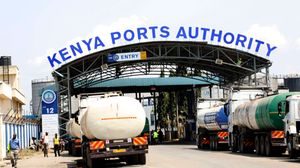
Another official at the launch of the report by Euromonitor remarked that ethanol smuggling from Uganda and Tanzania has become so widespread and brazen that the raw material for spirits is now commonly transported in 20-litre containers, replacing the traditional 200-litre drums.
When it gets to distribution points, he said, it is often put in five-litre containers and transported using bodabodas and other accessible and ubiquitous means of transport.
What emerges is an imperative need to change strategy urgently. A key recommendation from the study was enhancing ethanol regulation across the supply chain. Currently, little documentation is required to purchase undenatured ethanol in Kenya.
A key issue for Kenya is that ethanol remains the most highly priced in the region. At Sh500 per litre, Kenya’s excise rate on Extra Neutral Alcohol is more than double Tanzania’s (Sh239.29) and over five times Uganda’s (Sh88.64), a disparity that continues to incentivise cross-border smuggling and undermines the competitiveness of local manufacturers.
A comprehensive review of Kenya’s ethanol excise structure, aligned with regional tax harmonisation, is urgently needed. That will work for the middle and long term as the cycle of legislative changes can be long and tedious.
In the meantime, Nacada and its parent ministry have shown that with collaboration with communities, it is possible to get to the root cause of the illicit alcohol menace in society.
The writer is the Secretary of Alcoholic Beverages Association of Kenya.
Unlock a world of exclusive content today!Unlock a world of exclusive content today!