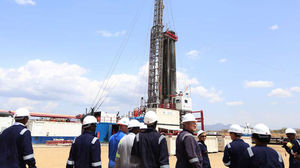
Between April 15 and 18, the Nuclear Power and Energy Agency (NuPEA) and KenGen engaged in a high-level consultative workshop with the leadership of Siaya County.
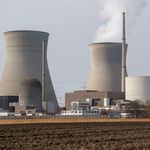
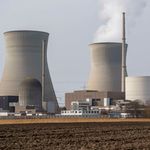
This forum served as a critical platform to align the proposed 3,000-megawatt nuclear power plant with both local interests and international standards.
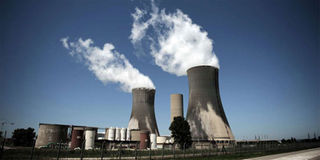
As the project moves toward a groundbreaking ceremony next year and a scheduled commissioning in 2034, it is essential to examine the technical, economic, and social frameworks that will define this 100-year venture.
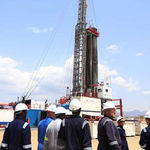
The project’s economic impact is structured in two primary phases. During the peak of construction, the site will act as a massive employment hub, requiring nearly 30,000 workers.
This will provide a significant short- to medium-term stimulus to the local labour market and service sectors. Upon commissioning in 2034, the plant will transition into a stable operational phase, offering approximately 4,000 permanent, high-skilled positions.
Given that modern nuclear plants are engineered to operate for close to 100 years, the facility represents a century-long anchor for the regional economy, providing generational career stability and professional development.
A cornerstone of this partnership is the Free, Prior, and Informed Consent (FPIC) framework. This ensures a deliberate and transparent engagement process where the concerns of the Siaya people are integrated into the project’s execution.
Regarding land and settlement, the project will adhere to strict legal safeguards. Any land acquisition will follow the Constitutional mandate of prompt, fair, and adequate compensation.
Furthermore, any necessary resettlement will be conducted strictly under Kenyan resettlement laws, prioritising the protection of livelihoods and the maintenance of social cohesion. This project will deliver the real nuclear dividend to the people of Siaya. The integration of a 3,000MW plant into the regional grid will offer several systemic advantages.
The nuclear project in Siaya will naturally necessitate the upgrading of local road networks, the establishment of modern educational facilities, and the construction of state-of-the-art hospitals that will serve the highly skilled and well-paid workers who will provide services during construction and ultimately during its operation.
Secondly, there is the matter of energy stability. By providing a stable, consistent baseload, the nuclear plant will effectively eliminate the electricity blackouts common in the western Kenya.
Upon construction of the plant, it is also expected that the host community will enjoy subsidised power and affordable power for emerging industries.
Under constitutional mandates, Siaya County and its people can expect a reasonable share from the revenue to be generated from the sale of electricity from the nuclear plant.
A structured revenue-sharing model from electricity sales will provide the county government with a dedicated fund for local development projects.
The unanimous support from the Siaya County Executive and Assembly, alongside the commitment to sign a Memorandum of Understanding (MoU) and pass necessary laws, establishes a clear legal and cooperative path forward.
The Siaya nuclear project is not merely an energy solution. It is a long-term infrastructure investment designed to anchor Kenya’s industrial future for the next century.
The writer is the CEO of the Nuclear Power and Energy Agency (NuPEA).
Follow our WhatsApp channel for the latest business and markets updates.
Unlock a world of exclusive content today!Unlock a world of exclusive content today!