Time flies with great content! Renew in to keep enjoying all our premium content.
Prime
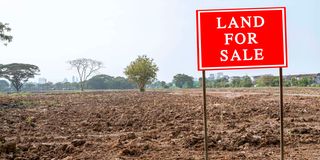
Land commission voice needed on contemporary public land issues
During the controversy over the excision of land belonging to Kenyatta University for reallocation, the Commission was largely absent. Similar silence accompanied disputes over proposed developments in Karura and Ngong forests.
The third cohort of commissioners at the National Land Commission (NLC) assumed office in March. Having settled into their roles, they must now tackle the many unresolved public land issues facing the country - and, crucially, be seen to be doing so.
The NLC carries significant historical baggage. It is one of the institutions that powerful political interests resisted from the outset.
It was removed from the final draft of the Constitution before parliamentary debate, only to be reinstated after sustained pressure from stakeholders.
Later, after the first commissioners had been vetted and approved, their appointment was delayed until a High Court petition compelled the President to gazette them.
Kenyans therefore fought hard and spent considerable public resources to secure the Commission's place in the country's governance architecture. They expected it to safeguard public land, stop illegal allocations and address historical injustices.
That history should guide the current commissioners. Their constitutional independence and security of tenure were designed to enable them to act without fear or favour.
While the Commission has continued with routine responsibilities - including processing allotment letters, valuing land acquired for public projects, developing technical guidelines and conducting research - the public expects much more.
It must make tangible progress in reviewing illegally or irregularly allocated public land and resolving historical land injustices, whose timelines Parliament has already extended.
Equally important, the Commission must become a visible voice in national debates involving public land. Its silence on several high-profile disputes has been striking. During the controversy over the excision of land belonging to Kenyatta University for reallocation, the Commission was largely absent. Similar silence accompanied disputes over proposed developments in Karura and Ngong forests.
Today, public concern over developments in Imenti Forest continues to grow, while the eviction of settlers from KMC and Portland Cement land in Athi River also passed without a strong intervention from the Commission.
Such absences weaken public confidence in the institution charged with protecting public land.
The Ethics and Anti-Corruption Commission has recently recovered public land belonging to KBC, Posta and other state institutions from powerful individuals. Such victories would carry greater weight if they were accompanied by visible leadership from the National Land Commission.
Most urgently, the Commission must address the recent court ruling on the Ruaraka land saga, in which it approved Sh1.5 billion in compensation for land later found to be public.
A clear explanation is essential. Without one, public perception may shift from viewing the Commission as a guardian of public land to questioning whether it was complicit in its loss.
The writer is a consultant on land governance.
Unlock a world of exclusive content today!Unlock a world of exclusive content today!