When you live and work in an urban hub like Nairobi, perhaps as an executive, it is easy to lose sight of how industrial development can be constrained by a lack of infrastructure.
One encounters industrial parks on Mombasa Road, new bypasses and skyscrapping residential developments when driving through Nairobi. This visual abundance can make one forget that a massive portion of the transformation that drives nations happens far from capital cities.
Take Pwani Oil, for example. Millions of Kenyans wake up daily and use our products, all of which have become household essentials.
Yet, I doubt the average consumer realises that these goods are made in Kikambala, Kilifi County, more than 500 kilometres from the capital city.
We have always believed in the potential of Kilifi, and that is why we established our footprint here, and have employed hundreds of locals besides engaging in community projects.
However, getting the products we manufacture to distributors in Nairobi, western Kenya and neighbouring countries has been a test of endurance.
The roads connecting Kikambala to the rest of the country have historically been undeveloped or under-developed for years. This shortfall has meant managing massive logistical realities. The narrow two lane Mombasa-Malindi road was a notoriously congested.
A broken-down truck near Mtwapa or a bottleneck at old Nyali bridge could paralyse supply chains for hours or days. That translated directly into capital tied up on the tarmac. Poor infrastructure acts as an invisible tax on production while making Kenyan products less competitive.
There is no need, therefore, to explain how excited manufacturers are to see new world-class roads opening up to connect the Coast. The dualling of the Mariakani-Bamba road and the expansion of Mombasa-Mtwapa-Kwa Kadzengo-Kilifi highway are rewriting our economic destiny.
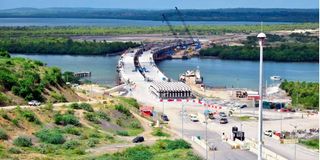
The construction of Mtwapa bridge and the dualling of the highway directly address the gridlocks that isolated Kikambala from Mombasa Port.
The development of Dongo Kundu bypass, which links the Mombasa-Nairobi highway to the South Coast is a masterpiece.
What do these roads mean for Pwani Oil, Kilifi and the country?
The developments imply drastically reduced transit times. Trucks that crawled through bottlenecks can now move seamlessly, ensuring your favourite supplies reach supermarket shelves predictably.
For manufacturers, the transformation means lower operational costs from reduced fuel waste and much lower wear and tear on transport fleets. We can reinvest those savings back into manufacturing efficiency and product innovation within Kikambala.
Finally, there is an expected growth of local economic ecosystems, with the improvement of infrastructure bound to spur secondary businesses.
The infrastructure boom has shown that when the government invests in places like Kilifi, it unlocks the latent potential of rural communities, creating manufacturing jobs. It also means stopping the unsustainable rural-to-urban migration and spreading national wealth equitably.
The writer is the Commercial Director at Pwani Oil Products Limited