“Everybody down, count on me… rep one… two… three… C’mon!”
Pass by the Parklands Sports Club fence on a Saturday morning, and you might think the military has taken over for drills. The voice slicing through the air is commanding, relentless and utterly without mercy.
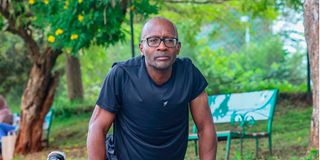
It belongs to a farmer, 59-year-old Wilson Wambugu.
Under a stretch of breezy trees, about 10 people aged between 30 and 60 lie sprawled on mats, rising, dropping and pushing through each rep as Wambugu drives them forward. No shortcuts. No mercy.
His lean physique – and the abs everyone kept whispering about (I never did get to see them) – makes it clear why he is in charge. Around him, grown adults, some young enough to be his children, gasp for air mid-rep, fighting to keep up.
I had arrived to join the one-and-a-half-hour outdoor session, only to discover I had walked into a birthday celebration. Two members had just turned 31 and 52. Here, cake can wait. Sweat comes first.
“Today we are celebrating two people’s birthdays; we had someone turning 31 and 52, so what we were doing is a lot of body movements in sets of 31 and 52,” Wambugu explains as I join the session.
At 59, he moves with the quiet authority of someone who has made discipline a lifestyle. Lean, sharp and focused.
“You should have come earlier. I would have loved to see how you cope. You were fresh by the time you got here; the group was already a little tired,” Wambugu chides me after the session.
I smile and keep my thoughts to myself. I am not at my best right now. But at my best? Even Wambugu would have clapped.
Bare basics
“This is what we do every Saturday morning – basically body workouts, we call it Konki. We meet here, people between 25 and 65, and challenge our bodies. After five days in the gym, Saturday is for outdoor work, where we focus a lot on executing functional exercise movements that you don’t get to do in the gym,” he explains.
In other words, these are workouts stripped down to the essentials. No machines, just movement.
Burpees that send you to the ground and back up in one explosive motion. Knee walkouts that test balance and control. Simple, functional exercises designed not just for fitness, but for life itself.
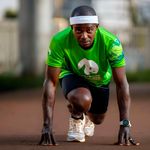
Wilson Wambugu stretches into a lying hamstring pose during a workout session at Parklands Sports Club, Nairobi, on April 11, 2026.
Photo credit: Wilfred Nyangaresi | Nation Media Group
“You need mobility and flexibility for everyday living. Walking, lifting, even something as basic as falling and getting back up. These exercises prepare your body for that. Body movements keep your joints flexible and mobile. When you walk, lift and bend, that’s functional training. We also do floor-to-stand exercises. If you fall, you should be able to get up on your own. That matters more the older you get.”
Wambugu’s fitness creed has always been simple: ‘use it or lose it.’
“When your bones take impact, they get denser. Your joints, wrists, hands – everything toughens up. That’s what keeps you strong as you age, instead of becoming vulnerable.”
Long game
For him, fitness has never been a phase. He has worked out consistently for nearly four decades, dating back to his university days in 1986. There was no dramatic turning point, no doctor’s warning, no crisis – just a lifelong love of sport that never faded.
That consistency, he believes, is where most people struggle. Life gets busy. Careers demand attention, family claims time, and somewhere along the way, movement becomes optional.
“A lot of people say they don’t have time. But you only need 30 minutes. Half the work is just changing into your kit and starting.”
It is a simple philosophy, but one he backs with quiet conviction. Especially for men past 30, he warns, the body begins to shift – testosterone dips, weight creeps in, energy fades.
“If you’re not careful with your lifestyle, things change. But when you work out, especially with resistance training, you can reverse a lot of that. I don’t even remember the last time I fell sick.”
Wilson Wambugu during a workout session at Parklands Sports Club, Nairobi, on April 11, 2026.
Photo credit: Wilfred Nyangaresi | Nation Media Group
He has seen it happen – friends who turned their health around in their 50s, men who only started exercising after a doctor’s warning, and now wish they had begun earlier.
“I know someone who started running at 50. Today, at 59, he runs marathons. Another started at 40 because of a doctor’s advice; his health was failing because of a poor lifestyle. He’s now 85 and still going.”
No shortcuts
In an era of shortcuts – weight-loss injections, pills and quick fixes marketed as transformation – Wambugu reserves his sharpest words.
“I pity those people. You may look good in your clothes, but when you’re alone in front of that mirror, what you see won’t be what you wanted. The clothes will lie. Your body won’t lie.”
What drives this culture, he believes, is comparison.
“We all have different bodies. Not everyone will have that perfect physique you see online. But accept where you are, measure your progress honestly, and over time, it pays. You cannot cut a six-month journey with a pill.”
Balance first
Away from the sessions, Wambugu lives by a rhythm that feels almost architectural in its precision. Clean, simple meals. Plenty of protein. Less processed food.
Alcohol, occasionally and in moderation – enough to enjoy life, never enough to derail it.
“Life has to be balanced. You need the social, the spiritual, the physical. It’s a journey. No targets. No pressure. So you work out, rest, eat well and enjoy yourself. It’s all part of the journey. I don’t mind catching a pint with friends at the end of the week. Two beers are good carbs, or a gin and tonic,” he chuckles.
Recovery, too, is deliberate. Rest, hydration and proper sleep – seven to eight hours a night. The occasional physio session. Listening to the body when it whispers, before it is forced to scream.
But even for the man leading the charge, there are limits. Stretching, he admits with a laugh, is not his strongest suit. An old strain here, a tight muscle there, is proof that even the fittest bodies remain works in progress.
Perhaps that is the point. There are no finish lines here. No deadlines.
“Just keep going. This is part of life, just like waking up and going to work.”