Rubis Kenya sells Sh4.6bn fuel subsidy bond

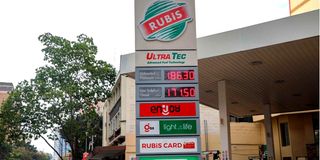
A Rubis fuel station on Koinange Street in Nairobi on August 14, 2025.

Photo credit: Dennis Onsongo | Nation Media Group

Rubis sold €34.7 million (Sh5.2 billion) worth of Kenya government bonds in the six months ended June 2025 according to disclosures by its parent firm, helping the oil marketer unlock liquidity.

Most of the proceeds were for a bond that Rubis, like other oil marketers, swapped in exchange for billions of shillings in unpaid debt for the fuel subsidy scheme.
Rubis Énergie, the parent firm, added that the €34.7 million also included certain guarantees and deposits that the firm held in the Kenyan market.

The National Treasury directed oil marketers to swap a total of Sh45 billion debt to a three-year bond in June 2023, in order to settle the unpaid money for the fuel subsidy scheme.

“As of 31 December 2024, loans, deposits and guarantees mainly included treasury bonds held by distribution entities established in Kenya on the Kenyan government for €34.7 million. These warrants were sold during the half year (January to June 2025),” Rubis Énergie says in its latest financial disclosures.

Each oil marketer took a bond size, which was initially equivalent to the money it was to receive from the government for the unpaid subsidy. Rubis took a bond worth €26.6 million (Sh4.6 billion at the exchange rate of the time).

Vivo Energy – the biggest oil firm in Kenya – had earlier disclosed the sale of its bond for the fuel subsidy in January this year, making a profit of $2.6 million (Sh336 million) in the transaction.

Other oil marketers have so far not disclosed the size of the fuel bond that they took and whether they have sold it in order to unlock the much-needed cash for the capital intensive oil sector.

The swapping of fuel subsidy debt for a bond sparked industry disquiet, with several oil firms protesting that the government had imposed the decision on them.

Oil firms, mostly the local small ones, were hard hit as the Treasury withheld billions of their shillings, with a majority turning to bank loans to ease the liquidity hitches triggered by the conversion of the debt into a bond.

The Treasury defended the move to swap the debt for a bond, stating that it was facing cash flow challenges and that oil marketers faced the possibility of prolonged delays before they could be paid.

The bond was floated in two tranches, with the first targeting to raise Sh17.8 billion. It had an interest rate of 14.22 percent.

The fuel subsidy scheme was rolled out in April 2021 as the government stepped in to cushion Kenyans from costly fuel amid spiralling prices in the global market.

Under the plan, oil marketers sold petrol, diesel and kerosene at prices lower than those published by the Energy and Petroleum Regulatory Authority (Epra). In return, the Treasury would pay them the price difference, which at sometimes rose to as high as Sh6 per litre.

PAYE Tax Calculator

Note: The results are not exact but very close to the actual.