There is a familiar pattern to conversations about climate adaptation in Africa. They usually begin with the billions of dollars needed to help the continent respond to increasingly frequent droughts, floods and other climate-related shocks. Before long, attention shifts to the widening financing gap and the urgent need for more public and private investment.
These are necessary discussions. Yet after participating in the Adaptation Investment Summit for Africa (AISA) 2026, I found myself asking a different question: What exactly are we asking capital to invest in?
For years, climate adaptation has largely been framed as a financing challenge. But investors rarely allocate capital simply because a problem is urgent.
They invest where opportunities are commercially viable, risks are understood and investments can generate sustainable returns.
If Africa is to attract significantly more private capital into adaptation, then adaptation itself must increasingly be presented as an investment opportunity rather than simply a funding need.
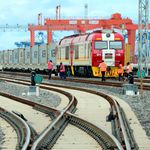
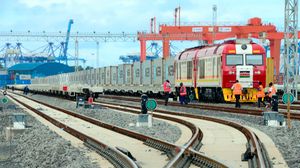
That perspective shaped many of the conversations at AISA 2026. A climate-resilient transport corridor is more than a road built to withstand floods. It is an economic asset that lowers transport costs, connects producers to markets and strengthens regional trade.
A climate-smart warehouse does more than protect agricultural produce; it reduces post-harvest losses, improves productivity and increases the value of agricultural supply chains.
Modern irrigation systems, cold chains and digital trade platforms help communities adapt to climate change while creating commercial value, generating revenue and supporting jobs.
One discussion challenged participants to view trade itself as a climate adaptation strategy. When farmers can sell to regional markets instead of relying on a single drought-affected market, they become less vulnerable to local shocks.
Efficient border systems that keep perishable goods moving protect incomes and strengthen food security. Resilient transport networks ensure that food, inputs and businesses continue moving during disruption. In this sense, trade is not simply about moving goods across borders; it is about helping people and economies adapt.
The summit also reinforced another lesson. Climate-resilient trade corridors are not built through infrastructure alone. Roads and border posts must be supported by finance that enables businesses to grow, technology that improves efficiency, policies that reduce barriers to trade and institutions that give investors confidence. Investors ultimately back systems, not isolated projects.
Africa will continue to need substantial public and development finance to respond to climate change.
But if adaptation is to move beyond pilot projects and reach the scale the continent requires, equal attention must be given to building investment-ready markets. After all, capital does not flow simply towards need. It flows towards opportunity.