Why Africa must rethink cancer care

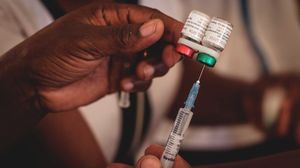
There are three main types of cancer treatment, including conventional chemotherapy, targeted therapy, and immunotherapy.

Photo credit: Shutterstock

Cancer care in Africa is often framed in terms of scarcity: too few machines, specialists, and resources. While these gaps are real, they tell only part of the story. The deeper challenge lies in how our health systems are designed and for whom they are designed.

As a cancer surgeon and health-systems researcher, I see this reality weekly. Patients are not diagnosed late because they do not care; they are diagnosed late because the pathway to care is fragmented, expensive, and difficult to navigate. Delays begin long before diagnosis, shaped by income, geography, beliefs, and policy decisions that determine who can move through the system and who cannot.


This World Cancer Day’s theme, ‘United by Unique’, invites a shift in thinking. Cancer journeys are shaped by distinct social, economic, and geographic realities. Equity will not come from uniform solutions, but from systems deliberately built to accommodate difference rather than amplify disadvantage.

Access to cancer care is often reduced to whether services exist. In reality, access is a continuum: awareness, early detection, accurate diagnosis, timely referral, affordable treatment, and long-term follow-up. Failure at any point can negate progress elsewhere.

Across many African settings, these steps remain poorly connected. Diagnostic services are centralised far from communities. Referral pathways are unclear or slow. Treatment may exist in theory but be financially or geographically out of reach.

Fragmentation frequently occurs at the handover points along the care continuum, where quality suffers most. As a result, patients are often diagnosed with advanced disease or fail to complete treatment, not because they ignored symptoms, but because the system failed to meet them early.

Limited infrastructure, shortages of trained oncology professionals, inadequate diagnostics, and overstretched public facilities. These directly contribute to poor outcomes. Yet equally powerful, and often overlooked, are social and economic barriers.

Time poverty is rarely acknowledged. Many patients must choose between seeking care and earning a living, caring for family, or affording transport. Even when services are subsidised, indirect costs, travel, accommodation, and lost wages can be prohibitive. A service that is technically available is not truly accessible if it demands resources patients do not have.

If we are serious about changing the status quo in cancer care access, three priorities for the next decade stand out. First, design cancer care around people, not facilities, integrating services into primary care and ensuring continuity from detection to survivorship.

Second, invest in health systems, not just technologies, including workforce development, diagnostics, referral pathways, and data.

Third, protect patients from financial catastrophe by reducing out-of-pocket costs and expanding effective coverage through innovative financing and universal health coverage.

The theme ‘United by Unique’ means that we are united by the shared challenge of cancer, but our patients are unique in their circumstances and needs. Equity will not come from one-size-fits-all solutions. It will come from systems that recognise difference, anticipate barriers, and respond with dignity.

This World Cancer Day, let us commit not only to fighting cancer, but to building cancer care that truly meets people where they are.

Income strongly influences when and whether patients seek care. High out-of-pocket costs across much of the continent force many to delay, interrupt, or abandon treatment. For households already living at the margin, a cancer diagnosis can trigger catastrophic financial consequences.

Education shapes symptom recognition, health-seeking behaviour, and trust in the health system. Without clear, culturally relevant information, early warning signs are easily dismissed.

Employment status also matters. Informal work offers no sick leave or financial buffer. For many patients, the question is not whether treatment exists, but whether they can afford to remain in care.

Cultural beliefs and stigma further shape cancer narratives. Fear, fatalism, and misinformation delay care-seeking and undermine adherence. These are not individual failures, but reflections of gaps in communication, community engagement, and trust.

Geography compounds these challenges. Distance to care remains one of the strongest predictors of outcome, reinforcing persistent inequities between urban and rural populations.

Where progress has been made, it has come from integrating cancer services into primary care, task-shifting to trained non-physician providers, simplifying screening, and strengthening referral systems. Effective solutions are often not high-tech, but intentionally designed to reduce steps, minimize delays, and ensure timely follow-up.

In addition, policy choices shape outcomes. Access to cancer care is ultimately shaped by policy, governance, and financing. Health financing models determine whether services are covered or paid out-of-pocket. Workforce policies affect retention and distribution. Data systems decide whether inequities are addressed or ignored.

Policies that prioritise universal health coverage, pooled risk financing, and regional collaboration can transform outcomes. Those that do not will continue to reproduce inequity.

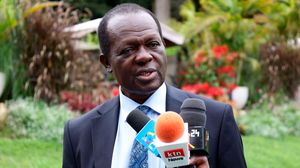
The writer an Assistant Professor, Department of Surgery, Aga Khan University Medical College

PAYE Tax Calculator

Note: The results are not exact but very close to the actual.