Time flies with great content! Renew in to keep enjoying all our premium content.
Prime
Wetlands and indigenous knowledge: Preserving Kenya’s living heritage
From Dunga Swamp near Kisumu to wetlands used in initiation rites in Siaya and Bungoma, these ecosystems remain central to culture, identity, and survival.
Today, as the world marks World Wetlands Day, attention turns to the vital role wetlands play in sustaining life, culture, and livelihoods. Marked this year under the theme “Wetlands and Traditional Knowledge: Celebrating Cultural Heritage,” the day resonates strongly in Kenya, where national celebrations are taking place in Isiolo County.
These observances underscore the fact that wetlands are not only ecological systems but also cultural landscapes shaped by generations of community stewardship. In Kenya, wetland protection is anchored in both statutory governance and indigenous knowledge.
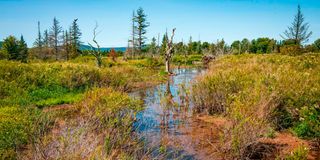
The National Environment Management Authority, mandated to oversee environmental protection, wetland conservation, and sustainable use of natural resources, works alongside organisations such as Wetlands International to safeguard these ecosystems.
However, long before formal environmental laws existed, communities had developed rules, taboos, and spiritual practices that ensured wetlands were respected and sustained.
Travel along Kenya’s rivers and you realise that they tell a different story, one you miss if you only travel by its highways. Wherever water gathers, culture gathers with it. In western Kenya, the wetlands of Lake Victoria, fed by the Yala, Nyando, and Nzoia rivers, hold deep spiritual meaning for the Luo community.
Fisherfolk seek ancestral guidance before major fishing seasons, while sacred papyrus zones remain untouched. Selective harvesting of reeds reinforces cultural discipline and ecological balance while sustaining livelihoods.
In the Rift Valley, Lake Naivasha’s wetlands are woven into the traditions of the Maasai, Kikuyu, and Luo communities.
Elders perform rituals for health, fertility, and protection in designated papyrus swamps and islands, practices that regulate access and prevent ecological degradation. Along the Tana River Delta, Pokomo and Orma communities conduct planting and harvest rituals within mangrove forests, protecting fish breeding grounds and maintaining biodiversity.
On the coast, mangroves in Gazi Bay are preserved through taboos and spiritual customs that recognise their role as nurseries for marine life and buffers against storms.
Further north, wetlands along the Mara and Ewaso Ng’iro rivers are governed by customary laws that restrict grazing, fishing, and harvesting in sacred areas. In Isiolo, Borana and Somali elders safeguard seasonal wetlands through prayer ceremonies seeking rain, livestock protection, and communal harmony.
Even the ephemeral Lorian Swamp in northern Kenya is protected through ancestral practices that preserve vital water points during drought.
From Dunga Swamp near Kisumu to wetlands used in initiation rites in Siaya and Bungoma, these ecosystems remain central to culture, identity, and survival. As Kenya marks World Wetlands Day today in Isiolo, the message is clear: Wetlands are a living heritage.
Protecting them is both an environmental duty and a cultural responsibility, ensuring indigenous knowledge continues to guide sustainable livelihoods for generations to come.
The writer is a climate action enthusiast and a communications specialist at Windward Communications Consultancy.
Unlock a world of exclusive content today!Unlock a world of exclusive content today!