The price of a just energy transition for Kenya’s low-income households

New Content Item (1)

As Kenya pushes towards universal clean energy access by 2030, justice must remain central to the transition. Clean energy should lift people, not burden them.

Photo credit: Shutterstock

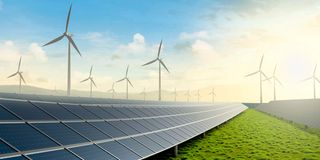
Kenya’s energy transition story is often told with a sense of triumph. Solar panels glint on rural rooftops, electric motorcycles weave through city streets, and clean cooking solutions steadily replace smoky kerosene stoves.

These images signal progress and ambition. Yet beneath this success narrative, a quieter concern is emerging. As the country accelerates towards a green future, the cost of access is slowly drifting beyond the reach for the very people the transition was meant to serve.
Clean energy has arrived with a new kind of financial pressure.

Rising electricity tariffs, upfront connection costs, and credit-driven clean energy products increasingly weigh on households already stretched by the cost of living. In the language of transition, Kenya risks creating a new form of energy debt, one that is less visible but just as restrictive.

Despite significantly expanding access to modern energy and positioning itself as a continental leader, about a quarter of Kenya’s population still lacks reliable access.

Through the Ministry of Energy and Petroleum, programmes such as the Kenya Off-Grid Solar Access Project (KOSAP) have extended electricity to 14 previously underserved counties. However, millions of households still remain beyond the grid and beyond reach.

To close this gap, the private sector has stepped in with innovation. Solar home systems and clean cooking products are distributed through the familiar lipa mdogo mdogo model enabled by mobile money.

Companies such as M-Kopa have shown how low-income households, many operating in the informal economy, can access energy assets without formal banking.

This approach has powered homes, small businesses, and schools that would otherwise remain in the dark. The same model, however, exposes new vulnerabilities. Household incomes are unpredictable and increasingly shaped by climate shocks. Droughts, floods, and failed harvests interrupt earnings. When income drops, repayments stall.

Defaults rise, companies price in risk, and costs increase. What began as an affordable solution quietly slips out of reach, widening inequality in energy access.

Policy and regulation must carry more of the burden in addressing these challenges. Strong oversight by institutions such as the Energy and Petroleum Regulatory Authority is necessary to balance commercial viability with social equity.

While blanket price controls risk undermining innovation and investment, well-designed structural interventions can achieve better outcomes.

Measures such as tax exemptions and zero-rating for clean energy products can reduce costs for consumers. Supporting local manufacturing of solar components and batteries would lower import dependence while creating jobs.

As Kenya pushes towards universal clean energy access by 2030, justice must remain central to the transition. Clean energy should lift people, not burden them.

True success will be measured not only by how many panels are installed, but by how many households can afford to keep their homes lit and their lives powered with dignity.

The writer is a climate action enthusiast and a communications specialist at Windward Communications Consultancy. [email protected]

PAYE Tax Calculator

Note: The results are not exact but very close to the actual.