Taming Kenya’s growing M-Pox woes demands concerted action

Mpox, formerly known as monkeypox, is a viral zoonotic disease caused by the monkeypox virus. While historically prevalent to certain parts of Central and West Africa, recent global outbreaks have demonstrated its capacity for wider transmission.

Photo credit: Shutterstock

Kenya is facing a concerning surge in Mpox cases, with 314 confirmed infections reported as of July 31, 2025.

This marks a significant escalation exactly one year after the first case was detected at the Taita-Taveta border crossing, according to Health Cabinet Secretary Aden Duale.

What began with an individual traveling from Uganda to Rwanda through Kenya tested positive for Mpox at the Taita-Taveta one-stop border point on July 31, 2024, has now spread across 22 counties, indicating a pressing need for intensified containment efforts.

According to statistics released by the Ministry of Health, Mombasa County bears the brunt with 146 cases, followed by Busia (63), Nakuru (21), Kilifi (19), Nairobi (17), and Makueni (13), highlighting a widespread geographic reach that demands immediate, comprehensive, and collaborative action.

Mpox, formerly known as monkeypox, is a viral zoonotic disease caused by the monkeypox virus. While historically prevalent to certain parts of Central and West Africa, recent global outbreaks have demonstrated its capacity for wider transmission.

Mpox primarily spreads through close contact with an infected person. This includes direct contact with the rash, scabs, or body fluids of someone with Mpox. Intimate and sexual contact are significant modes of transmission too, as the virus can spread through oral, anal, or vaginal sex, or by touching genitals and other affected areas.

The symptoms of Mpox typically begin within three weeks of exposure. The illness often starts with flu-like symptoms, which may include fever, headache, muscle aches and back pain. These symptoms are usually followed by a distinctive rash that progresses through several stages.

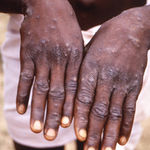
The rash can appear on various parts of the body, including the face, palms of the hands, soles of the feet, groin and genital regions, and even inside the mouth, throat, anus, rectum, or vagina.

Initially, the rash may look like pimples or blisters, which then fill with fluid or pus and eventually fall off. Individuals are considered infectious from the onset of symptoms until all scabs have fallen off and a new layer of skin has formed, typically lasting 2-4 weeks.

Early and accurate detection is crucial for containing the spread of Mpox. The preferred laboratory test for diagnosing Mpox is the detection of viral DNA by Polymerase Chain Reaction (PCR). Samples are typically collected from skin lesions and sent to a specialised laboratory for testing.

The significant surge in Mpox cases in Kenya necessitates a robust and multi-pronged prevention strategy involving the Ministry of Health, key stakeholders within national and county government agencies, communities, and individuals.

Firstly, the Ministry of Health should ensure enhanced surveillance and rapid response. Continuous surveillance, particularly in border regions and high-incidence counties like Mombasa and Busia, is paramount.

This includes active case finding, robust contact tracing, and the deployment of rapid response teams to investigate suspected cases and contain outbreaks swiftly. In addition, the Ministry of Health should ensure screening at the points of entry which should remain critical.

Secondly, a comprehensive public awareness, risk communication and community engagement strategy is essential. This involves disseminating accurate, clear, and culturally appropriate information about Mpox, how it spreads, its symptoms, and preventive measure through various channels, including local languages, social media, and community health promoters.

Thirdly, there is need to strengthen our healthcare capacity. Training healthcare workers across all levels on Mpox identification, diagnosis, infection prevention and patient management is vital.

Ensuring adequate supplies of personal protective equipment for healthcare workers and diagnostic kits for laboratories is also crucial. Designated isolation facilities should be established and maintained.

Fourthly, the Ministry of Health should ensure that we have a robust vaccination strategy in place. While global vaccine supplies may be limited, the Ministry of Health should explore all avenues to acquire and implement a targeted vaccination strategy.

This could prioritise individuals at high risk of exposure, such as healthcare workers and close contacts of confirmed cases. Pre-exposure vaccination for high-risk groups and post-exposure for contacts can significantly reduce transmission and severity.

Finally, individuals and communities should ensure that personal hygiene is a priority. Regular handwashing with soap and water, especially after contact with potentially contaminated surfaces or individuals.

Individuals should also avoid close skin-to-skin contact, including sexual contact, with individuals who have a suspicious rash or symptoms.

In addition, anyone exhibiting Mpox symptoms should self-isolate immediately and seek medical attention. Promptly reporting suspected cases to health authorities is crucial.

The rising numbers of Mpox cases in Kenya serve as a stark reminder of the dynamic nature of the disease. A concerted, multi-sectoral approach, rooted in scientific evidence and community engagement, is the only path to effectively curb the outbreak of Mpox and protect the health of all Kenyans.

Dr Catherine Gathu is an Assistant Professor, Department of Family Medicine at Aga Khan University Medical College, East Africa and a Consultant Family Physician at Aga Khan University Hospital Nairobi

PAYE Tax Calculator

Note: The results are not exact but very close to the actual.