The European Union’s Deforestation Regulation (EUDR) aims to curb deforestation and forest degradation linked to the production of certain goods.
Although the regulation may appear unrelated to Kenya’s primary exports, its coffee industry, a major contributor to the economy, could still be affected.
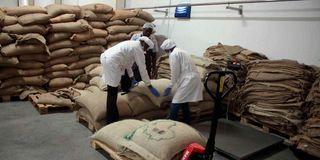
During the 2023/24 period, Kenya exported 95 percent of its coffee, some 49,199.09 metric tons, valued at $229.55 million (Sh31.31 billion).
A substantial proportion of this — 55 percent — was shipped to the EU, with 122,699 metric tons worth $695.7 million (Sh114.09 billion) going to Belgium, Germany, Sweden and Finland.
Coffee is a major source of income for over 800,000 smallholder farmers in 33 coffee-growing counties. Compliance with the EUDR is therefore critical in supporting these farmers and ensuring the continued growth of the sector.
Kenya’s premium and speciality coffee commands high prices in the global market, and adherence to the EUDR will be crucial in maintaining the country’s market reputation and ensuring a consistent supply of high-quality coffee.
The government’s Bottom-Up Economic Transformation Agenda is committed to revitalising the sub-sector by increasing productivity and exports. Continued market access for Kenyan coffee with traditional trading partners such as the EU is essential for export growth.
Therefore, Kenyan stakeholders must comply with the EUDR to remain competitive in the EU market.
To achieve this, Kenyan businesses should develop a compliance framework that establishes a comprehensive traceability system tracking raw materials back to their origin.
They should conduct risk assessments to identify potential risks associated with sourcing products and provide training to help suppliers enhance their compliance capabilities.
Regular reviews and updates of compliance procedures and documentation will ensure adherence to EUDR standards. In conclusion, while EUDR might not have a major direct impact on the local economy, the coffee industry's importance to Kenya's exports and livelihoods means the country shouldn't rest easy.
Kenyan businesses need to be proactive in complying with the regulations to maintain their competitiveness in the EU market and ensure the continued growth of the coffee sector.