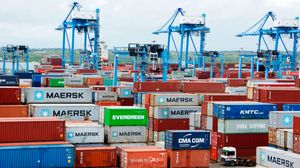
East Africa has made remarkable progress in removing barriers to the movement of goods and people. Today, a truck leaving the Port of Mombasa can travel through regional transport corridors to Kampala, Kigali and beyond far more efficiently than it could a generation ago. Border procedures have been streamlined, customs systems modernised and tariffs reduced.
Yet one of the most important elements of regional integration remains trapped in the past -- moving money across East Africa.
A payment between neighbouring countries can still pass through financial centres in London, New York or Dubai before reaching its destination just a few hundred kilometres away.
While goods and people increasingly move across our borders, our financial system still depends on institutions outside the continent. Until payments move as freely as trade, East Africa’s integration will remain incomplete.
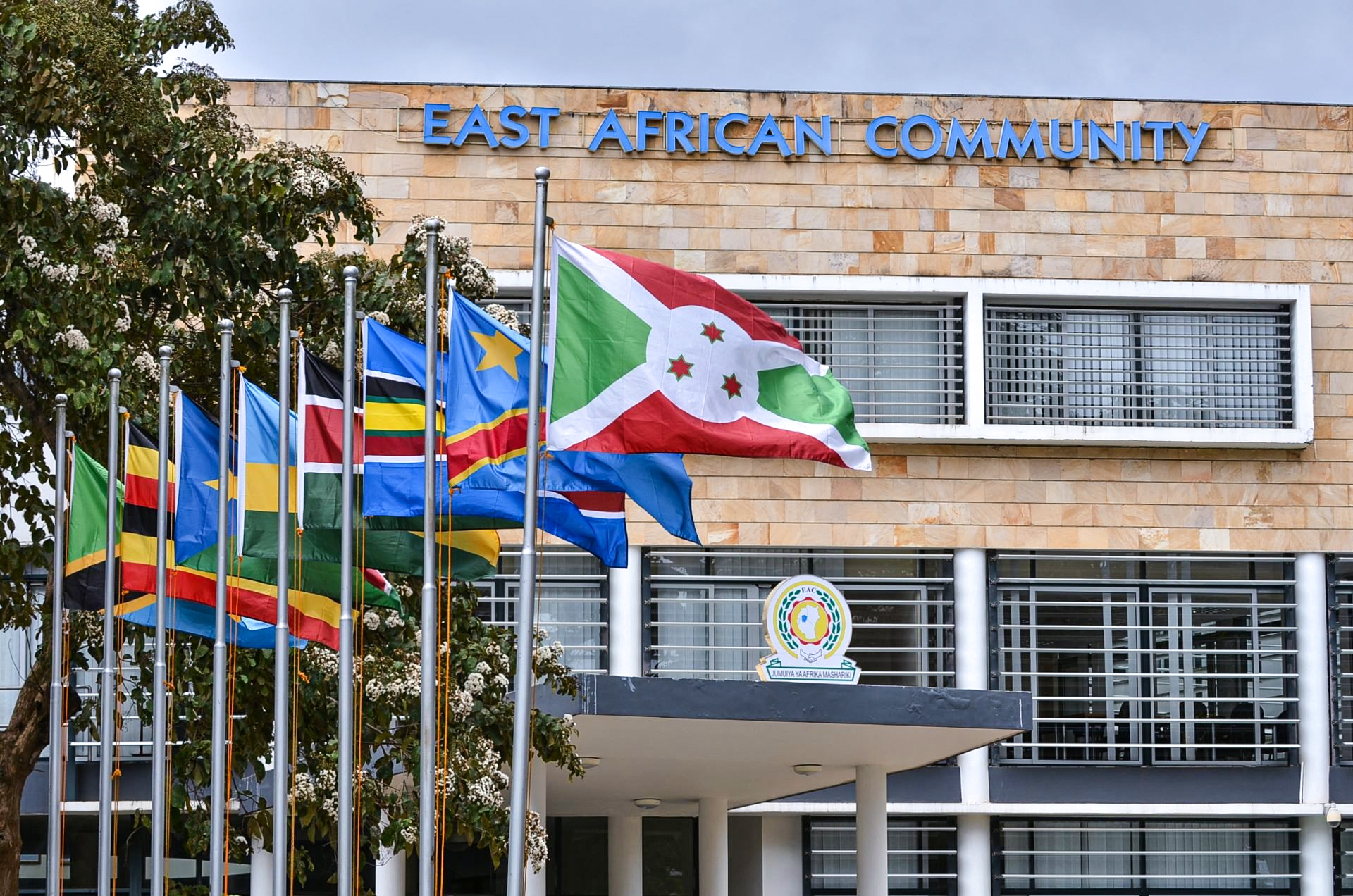
The opportunity is significant. The East African Community (EAC) is home to more than 330 million people and generates well over $300 billion in economic output each year. A truly integrated market would strengthen regional manufacturing, create jobs, increase investment and improve Africa’s position in global trade.
Yet East African countries continue to trade more with distant partners than with one another. Intra-regional trade accounts for only about 15 percent of total trade, a figure that has changed little in recent years. China has become the region’s largest trading partner, not because geography demands it, but because our financial systems often make business with distant markets easier than business with our neighbours.
The challenge is visible across the region, but Somalia offers one of its clearest examples.
Around 40,000 Kenyans live and work in Somalia. Somali businesses have deep commercial ties with Nairobi, while goods and fuel move across regional markets every day. The movement of people and commerce is direct. Financial transactions are not.
Many payments involving Somali businesses must pass through multiple intermediary banks before reaching their destination. Each additional institution increases costs, delays settlement and reduces the value that remains within the region.
This is not a challenge unique to Somalia. Across Africa, many international banks have reduced correspondent banking relationships in markets they consider higher risk. According to the African Development Bank, Africa faces an annual trade finance gap exceeding $74 billion. As a result, an African business can sometimes pay a supplier in Asia more easily than one in a neighbouring country.
The policy driving much of this trend is known as de-risking. It was designed to reduce exposure to money laundering and illicit financial activity. Those objectives are legitimate.
However, when regulated banks lose access to formal financial networks, legitimate transactions do not disappear.
They often shift to less transparent channels, including informal money transfer systems that regulators find more difficult to supervise. Formal banking becomes more expensive while informal alternatives become more attractive.
That outcome serves neither financial integrity nor economic development. The answer is not weaker regulation. East Africa needs stronger compliance, greater transparency and closer cooperation between regulators and financial institutions.
Somalia has spent years rebuilding its financial and public institutions.
The country completed the Heavily Indebted Poor Countries (HIPC) debt relief process, regained access to international financial institutions, saw the United Nations Security Council lift the decades-long arms embargo, and now serves as a non-permanent member of the UN Security Council. These developments reflect measurable institutional progress that should be recognised by international financial partners.
The next step is restoring correspondent banking relationships based on demonstrated compliance rather than outdated perceptions of risk. Development finance institutions, regulators and international banks all have a role to play by supporting supervised African banks that meet global standards.
East Africa should also rely less on financial infrastructure outside the continent.
The Pan-African Payment and Settlement System (PAPSS) allows businesses to settle cross-border transactions in local currencies, reducing dependence on offshore correspondent banks and hard-currency clearing. Kenya’s Central Bank joined the system in 2023, and the East African Community has committed to linking its regional payment systems with PAPSS.
The technology already exists. What is needed now is political commitment and implementation.
A customs union without an efficient payments system is like a highway without bridges. Trade may begin, but it cannot flow at its full potential.
Twenty-six years ago, East Africa opened its borders to goods and people. The next stage of integration is obvious. Money must be allowed to move with the same speed, efficiency and confidence.
East Africa has already shown that borders can become bridges for people and trade. The next test is ensuring that capital moves with the same confidence. Until it does, the promise of regional integration will remain only partially fulfilled.
Jabril Abdulle is the Ambassador of the Federal Republic of Somalia to Kenya