As Kenya prepares to host the 14th edition of Kalasha International Film and Television Market, Festival and Awards, we stand at a defining moment, not just for our film industry, but for our national development trajectory.
Kalasha has evolved beyond a celebration of film; it is now a strategic platform where art meets enterprise, where culture meets commerce, and where Kenya meets the world.

This year’s edition is significant. It comes at a time when the global creative economy is no longer peripheral; it is central. The world is increasingly recognising that intellectual property, storytelling, and cultural expression are among the most valuable commodities of the 21st century. Kenya must not only take note; we must lead.
Kalasha is our industry’s heartbeat. It convenes filmmakers, broadcasters, distributors, investors, policymakers, and audiences into one ecosystem. The market segment unlocks business opportunities: co-productions, distribution deals, and investment pipelines.
The festival showcases the depth and diversity of African storytelling, while the Awards recognise excellence and inspire higher standards across the industry.
But beyond the glamour and recognition, Kalasha is an economic engine. Every film produced creates jobs for writers, directors, actors, technicians, caterers, transport providers, and digital marketers.
It stimulates tourism, drives technology adoption, and builds global visibility for Kenya as a creative hub. For too long, the creative sector has been viewed as a cultural luxury rather than an economic necessity. That narrative must change.
The creative economy is a job creator, particularly for youth, who are Kenya’s greatest demographic asset. It is a revenue generator through exports of film, music, and digital content. As a soft power tool, it shapes how the world sees Kenya. It is also a cultural anchor preserving and projecting our identity in a rapidly globalising world.
In an era where traditional industries are being disrupted, creativity is proving to be one of the most resilient and scalable sectors. Digital platforms have democratised distribution, enabling Kenyan stories to reach global audiences instantly.
The question is no longer whether we have the talent; we do. The question is whether we will build the structures to monetise it effectively.
Why you should pay Attention.
The creative economy is not just for artists. It is for the government to create enabling policies, incentives, and infrastructure; the private sector to invest in content, platforms, and talent development; financial institutions to innovate financing models tailored to creative enterprises; academia to align training with industry needs and the public to support local content and recognise its value.
Kalasha is where these conversations converge into action. Kenya is uniquely positioned. We are a regional leader in innovation, a cultural crossroads, and a country with compelling stories rooted in rich heritage and contemporary dynamism.
With the right investment and policy alignment, we can become Africa’s premier creative economy hub. At the Kenya Film Commission, we are committed to driving this transformation, facilitating production, promoting Kenyan content globally, and building partnerships that unlock value across the sector.
As we approach the 14th Kalasha edition on 28th April – 2nd May, 2026, I invite all stakeholders to engage, not as spectators, but as participants in shaping Kenya’s future.
Attend the Market. Watch the films. Support the creators. Invest in the industry. Advocate for policy reform. Because the creative economy is not just about storytelling, it is about nation building. And the story of Kenya’s future is one we must all help write.
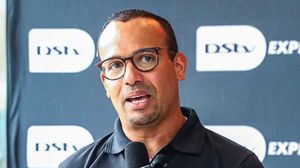
Timothy Odhiambo Owase is the CEO, Kenya Film Commission (KFC)
Unlock a world of exclusive content today!Unlock a world of exclusive content today!