After the Service Design Days satellite event in Nairobi, Ngara places itself strategically as a model for dealing with urban complexities.
Conversations around its meaningful regeneration highlighted the importance of fusing a place-making framework and systems thinking in shaping vibrant, community-centric urban spaces.
Economically, reusing old buildings can be more financially rewarding for investors as actors. A well-executed renovation tends to incur fewer expenses than demolishing and constructing new ones. This cost-effectiveness extends to reduced waste generation, as adaptive reuse minimises the environmental impact caused by disposing of construction debris and extracting new resources.
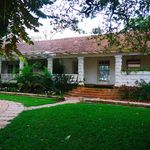
Reorienting back a community and cultural perspective, adaptive reuse contributes to the preservation of heritage. Old buildings often hold historical and cultural significance and repurposing them helps maintain a sense of place identity rooted in nostalgia and belonging.
The adaptive reuse of existing structures can foster community engagement.
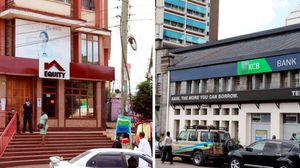
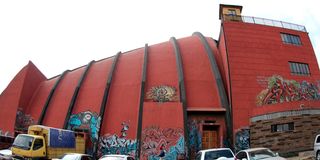
Having once been a vibrant textile capital and currently home to the Sarakasi Dome, arts and culture are intrinsic to Ngara. The convergence around its rejuvenation aims to demonstrate how urban systems thinking’ offers a wider understanding of interconnected elements contributing to the rudiments of quality spaces.
The reuse of existing infrastructure is a compelling counter to the environmental and economic impacts of constructing new buildings. Renovating existing structures requires less energy than constructing new buildings, leading to lower carbon emissions and a decreased demand for raw materials.
In the case of the former, adaptive reuse has been shown to reduce energy consumption by up to 75 percent as indicated in the Journal of Housing and the Built Environment (2023).
Various stakeholders gathered to participate in co-creating human-centric solutions for an African city anchored in the neighbourhood’s distinct identity, infused with the subtleties of local culture, individual aspirations, and social dynamics.
Using design thinking we sought to identify, acknowledge and consider interactions between various actors’ respective needs and their considerations at different points in the urban renewal process. The discussions generated explorative outcomes transcending the customary confines of urban renewal that often lead to the displacement of residents and businesses native to an area facing gentrification.
Meeting actors’ needs requires an emphasis on the intangible elements of a space that spans beyond the physical restructuring of the built environment. The spaces ought to foster a sense of community by cultivating an identity that reflects the unique characteristics and history of a community, instilling pride and belonging for a shared identity.
It also facilitates social interaction by creating well-designed public spaces that encourage engagement, providing opportunities for shared experiences, conversations, and connections, thereby fostering community bonds.
Additionally, place making emphasises inclusivity by considering diverse needs and creating spaces that cater to various age groups, interests, and abilities, where everyone feels represented and welcome.
Involving community members in the urban renewal process fosters a sense of ownership, leading to responsible use and stewardship of shared spaces such as streets, office spaces and apartment corridors.
Inter-industrial relationships formed, professionals appreciated a different perspective, and we collectively appreciated our shared humanity, a great foundation for the cultivation of subtle yet impactful qualities in urban spaces.
Unlock a world of exclusive content today!Unlock a world of exclusive content today!