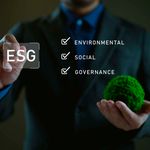
For investors and users of sustainability reports, confidence is an essential element required before they place reliance on the information contained in these reports.
Therefore, organisations preparing these reports should consider building confidence throughout the entire sustainability reporting process. Failing to build confidence could result in greenwashing claims, reduced utility and an overall lack of trust or credibility for the organisation.

The level of reliance placed by investors and users on a sustainability report reflects the level of confidence the organisation has in the information it discloses.
Building confidence in sustainability reporting increases value, quality, capability and achieves an overall alignment with stakeholder demands and expectations. As organisations prepare for the mandatory adoption of the IFRS Sustainability Disclosure Standards, some critical aspects to consider in building confidence in their reporting are as follows.
Organisations should design effective and efficient internal controls across the reporting process. These controls and processes need to ensure that organisations can predict, prevent and detect errors in sustainability information.
Similar to financial reporting, organisations should implement internal controls that increase stakeholders’ reliance on sustainability reporting. This also entails developing an internal assurance programme for sustainability reporting.
Organisations preparing sustainability reports should prioritise disclosing information on material sustainability matters rather than cluttering their reports with immaterial information, which is considered relevant to the organisation’s value creation and business growth strategy.
Organisations must resist the temptation to assume that an increase in the number of pages in their report translates into more insights for investors and users, as the opposite may be true in many instances.
A careful assessment of what information is included in the report and what is not is an important step when building confidence. Organisations must also ensure that the Key Performance Indicators disclosed in their sustainability reports are relevant and strategically aligned.
Organisations are investing significant time and resources in preparing for sustainability reporting and must ensure that confidence-building remains at the heart of the reporting process to increase reliance on the information provided.
It is particularly important for entity-specific sustainability KPIs. When these entity-specific KPIs lack strategic context and alignment, it can damage an organisation’s credibility and erode confidence in its sustainability report.
The writer is a partner at PricewaterhouseCoopers. He is an author who writes and speaks widely on corporate reporting topics.
Unlock a world of exclusive content today!Unlock a world of exclusive content today!