For years, bidets were mostly associated with luxury hotels, international travel or Muslim households. Today, they are quietly making their way into Kenyan homes as home owners embrace better hygiene, modern bathroom design and smart technology.
From simple handheld sprays to fully automated smart toilets, what was once considered a niche bathroom fixture is becoming an increasingly common feature in new developments and home renovations.
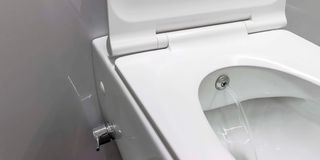
Curious about just how mainstream they had become, I walked into one of Nairobi's ceramic and interior shops in Thindigua.
"How much is this one?" I asked, pointing at a ceramic bidet displayed beside a row of wall-hung toilets.
“That one is Sh22,000,” said the salesman without looking at the price tag.
A few steps away is a handheld bidet spray retailing for Sh5,500, and an integrated bidet toilet seat costs Sh14,000. The most sophisticated models, smart toilets with built-in bidets, heated seats and automatic flushing, can cost over Sh200,000.
I walked into another outlet to see what was on offer and how much home owners are spending on modern bathrooms.
Booming business
In both shops, bidets were prominently displayed among rows of gleaming wash basins, rainfall shower sets, freestanding bathtubs and toilet bowls of every design. A standard toilet sold for about Sh10,000, while wall-hung models started at Sh30,000 to Sh60,000 depending on the brand.
The freestanding bathtubs ranged from about Sh90,000 to more than Sh250,000, while the shower cubicles, floating vanity units and LED mirrors completed the displays that looked more like the luxury hotel bathrooms.
Customers wandered through the aisles carrying photos saved on their phones, comparing finishes, asking about concealed cisterns and discussing bathroom layouts with sales attendants.
Amos Kariuki, owner of one of the concealed cisterns shop, admits that people no longer just come in asking for a toilet and a sink. “They already have an idea of the kind of bathroom they want,” he says.
Mr Kariuki says that the growing appetite for modern bathrooms has transformed the business, forcing retailers like him to stock a wider variety of imported products to meet their needs.
“We import different designs because one customer wants a minimalist bathroom, another wants luxury finishes, while someone else wants smart bathroom technology. Bathrooms have become a major investment when people are building or renovating.”
Although toilets, sinks and showers still account for the bulk of sales, Mr Kariuki says bidets are no longer the unfamiliar products they once were.
“We are definitely selling more than we did a few years ago. Most of the demand still comes from premium homes, luxury apartments and hotels because those buyers are already familiar with them. But more home owners are asking about them. Some have used them while travelling, others have seen them on social media or in new developments, and they want to know how they work and how much they cost.”
The bidet options
Among the options available for buyers are handheld bidet sprays, standalone ceramic bidets that are usually installed beside the toilet, bidet toilet seats that can be fitted onto existing toilets and integrated smart toilets with built-in washing functions.
“The smart models are still expensive, but the interest is growing. As more brands enter the market and prices become more competitive, I think bidets will slowly become a more common feature in Kenyan homes, just like rainfall showers and concealed cisterns.”
As I was speaking to Mr Kariuki, a couple in their late 30s was discussing sizes, shapes and colours with the sales attendant. They were putting the finishing touches on a newly built home, and had come for a standalone bidet.
“We thought it would be practical, because we receive different kinds of guests, we want to have the option available,” the husband said.
“People have different preferences when it comes to hygiene and comfort. When you’re building a home today, you have no choice than, you know, to think of others as well especially if you have relatives abroad,” the wife added.
More than ‘a Muslim thing’
Most Kenyans have viewed bidets through a religious lens. Mention one in conversation and someone is almost likely to say “Hizo ni za Waislamu (Those are for Muslims)” but that perception appears to be changing.
Globally, bidets have been part of an everyday bathrooms for decades. In Japan, smart toilets with built-in bidets are common in homes, hotels and even public facilities, while countries such as Italy and France have already embraced water-based cleaning as part of everyday hygiene.
Scientific studies have also examined the health implications of bidet use. A 2022 systematic review published in the peer-reviewed journal Evidence-Based Complementary and Alternative Medicine found no strong evidence that regular bidet use either prevents or causes common conditions such as hemorrhoids.
However, the review noted that one clinical trial found bidets to be as effective as traditional sitz baths in relieving pain after hemorrhoid surgery.
Selling point for luxury home
Kingmax Mbarire, chief executive at Kingsville Real Estate, says the company has had to rethink bathroom design since the modern buyer has become more discerning.
“The modern consumer has money, and you have to meet them where they are. Bidets are now common especially for luxury houses,” he says.
The company installs three types of bidets across its developments depending on the property and buyer profile. Standalone ceramic bidets are fitted in all its apartments and villas, while high-end developments feature bidet attachments are integrated in their smart toilets. The handheld bidet sprays are also installed in premium apartments and villas valued between Sh18 million and Sh150 million.
“If a development is targeting expatriates, then these features are almost expected.”
However, he believes for the broader Kenyan housing market, the trend is still in its early stages.
When it comes to family-oriented buyers, especially women, the bathroom design still determines whether a sale goes through.
“When a couple is buying a villa or a townhouse, the wife usually looks at three things, the kitchen and the master bedroom. Within the master bedroom, she wants to see what the bathroom looks like.”
As a result, developers are investing more heavily in bathroom finishes than they did a decade ago. Heated showers, bathtubs, automatic anti-fog mirrors, extractor fans, mood lighting and ensuite bathrooms have become standard features in many luxury developments.
“Hygiene is very important. Modern buyers don’t want shared bathrooms anymore. They want every bedroom to be ensuite, with a separate guest washroom,” Mr Mbarire says.
Some buyers are going even further by asking for fully automated or smart toilets which automatically wash and dry users, and adjust seat temperatures while incorporating bidet functions.
“Those retail for between Sh70,000 and Sh150,000 when purchased individually, although developers importing in bulk are able to lower costs.”
These features have become competitive tools in the crowded property market. Younger buyers, those in their late 20s and mid-30s, are driving the demand for smart homes.
“This new generation wants the same lifestyle they experience when they stay in high-end hotels or travel abroad. They don’t want to compromise when they come home.”