Kindiki office bursts annual recurrent budget in six months

Kithure Kindiki

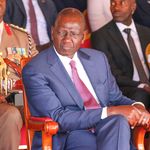
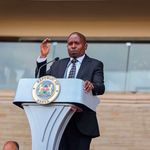
Deputy President Kithure Kindiki distributes Christmas gifts to Irunduni residents in Tharaka Nithi. 

Photo credit: DPCS

Deputy President Kithure Kindiki overshot his entire annual recurrent budget by Sh219.3 million within just six months, raising fresh questions about expenditure controls amid heightened political mobilisation late last year.

Treasury disclosures show the Office of the Deputy President (DP) had spent Sh3.2 billion by the end of December 2025, against an annual recurrent allocation of Sh2.97 billion for the financial year ending June 2026.

The spending means the office had already exceeded its full-year recurrent budget by 7.4 percent halfway through the fiscal year, leaving no headroom for operations in the remaining six months.

The accelerated expenditure coincided with an intense period of political activity, including Prof Kindiki’s high-profile involvement in the Mbeere North Parliamentary by-election held on November 27.

During the campaign period, the DP led daily rallies, tours, and grassroots engagements in Embu County as the chief mobiliser for the government-backed candidate.

While Treasury records do not provide a detailed breakdown, recurrent spending typically covers travel, accommodation, allowances, operations, and administrative costs incurred by the DP’s office.

The six-month spending marks a sharp escalation from the first quarter, when the office had consumed Sh1.34 billion, representing 44.9 percent of its annual recurrent allocation.

The overshoot comes at a time when the government is under pressure to rein in recurrent expenditure as part of broader fiscal consolidation efforts led by the National Treasury.

Recurrent expenditure in ministries largely covers day-to-day operations such as utility bills,travel, allowances and salaries.

Treasury has, in recent years, struggled to enforce spending discipline, with several ministries and offices repeatedly exceeding approved limits.

President William Ruto’s administration has repeatedly pledged to curb wasteful spending, arguing that high recurrent costs have crowded out development expenditure and fueled debt accumulation.

Prof Kindiki assumed office on November 1, 2024, following the impeachment and removal of his predecessor, Rigathi Gachagua, earlier that October.

Since taking office, Prof Kindiki has spearheaded a series of government-branded economic empowerment programmes across multiple counties.

Official schedules show the initiatives involved cooperative mobilisation forums, small business outreach, and public engagement events held in Meru, Nyeri, Bungoma, Kisii, Narok, Kwale, and Embu.
The programmes have formed a central pillar of the administration’s political messaging, particularly in regions viewed as electorally competitive ahead of the general contest next year.

The overspending signals that the DP’s office will require a supplementary budget to continue operating through to June.

The high absorption rate comes amid growing scrutiny of public expenditure, with fiscal managers urging ministries and departments to align spending to quarterly limits to prevent funding shortfalls later in the year.

It also tests President Ruto’s austerity pledges aimed at reversing a past trend of borrowing to fund government operations.

 Follow our WhatsApp channel for the latest business and markets updates.

PAYE Tax Calculator

Note: The results are not exact but very close to the actual.