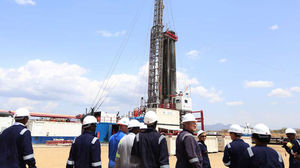
The Environment and Land Court has lifted orders halting the decommissioning of Base Titanium’s Kwale mine, allowing the exercise to proceed under strict environmental safeguards and regulatory oversight.
In a detailed ruling, the court set aside earlier conservatory orders issued in February that had stopped all dismantling and rehabilitation works at the Msambweni/Kinondo site. The court found that the stoppage posed greater environmental and safety risks than continuation.
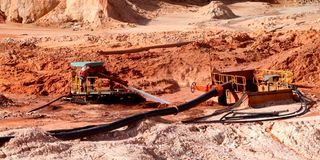
The court held that the decommissioning must proceed strictly in line with the approved mine closure plan, existing Environmental Impact Assessment licences, and directions issued by the National Environment Management Authority (Nema).
It further directed that all activities be undertaken under continuous regulatory supervision, with compliance to environmental safeguards, monitoring requirements, and restoration obligations.
“The decommissioning and rehabilitation process must remain subject to strict compliance with the law and regulatory approvals already in place,” the court ruled, allowing the company’s request to vary the previous orders.
Base Titanium contended that the orders were obtained through "material misrepresentations" and were disrupting lawful rehabilitation efforts. The company stated that it had spent over Sh4.6 billion on restoration, planted more than one million trees, and adhered to a Nema-approved closure plan.
It warned that stopping the works had created new hazards, including instability at the tailings storage facility and exposure of partially dismantled infrastructure.
Nema supported the company’s position, asserting that the decommissioning was lawful and that halting restoration could lead to uncontrolled land degradation.
The dispute arose after residents and lobby groups moved to court seeking to stop the ongoing decommissioning, citing fears of environmental harm, lack of transparency, and inadequate public participation.
The petitioners—residents of Msambweni and Kinondo—had argued that the mine’s closure process risked irreversible harm, including groundwater contamination, soil degradation, and biodiversity loss.
They argued that the dismantling works risked “irreversible environmental, social, and human catastrophe”. They secured the orders on February 26, halting all dismantling, decommissioning and land disturbance activities.
They argued the process posed “imminent environmental harm” and lacked transparency and proper safeguards. In addition, the petitioners told the court the ongoing works also risked “air pollution, and long-term ecological instability,” warning the damage would be “irreversible, cumulative, and intergenerational.”
However, the court found that key environmental safeguards had already been approved and were being implemented. Evidence before the court showed that Nema had licensed the project and approved a comprehensive mine closure and decommissioning plan in 2024, covering the entire lifecycle of the mine, including rehabilitation.
The court noted that halting the process had unintended consequences, including risks linked to unstable infrastructure, incomplete dismantling and delayed rehabilitation.
It observed that continued suspension of works could expose the environment to “significant risk of uncontrolled degradation,” including soil erosion and land instability.
The court also pointed to risks associated with the tailings storage facility, warning that failure to complete stabilisation and rehabilitation could endanger surrounding communities.
On public participation claims, the court found that stakeholder engagement had been conducted throughout the project lifecycle and additional sensitisation forums had been held during the closure phase.
At the same time, the court ordered that regulatory agencies must ensure ongoing compliance, transparency and environmental monitoring during the remaining phase of decommissioning.
In a separate but related order, the court allowed Kenya Power to remove a transformer from the mine site for installation in Garissa to address an acute electricity shortage.
The court said the move was necessary to avert a power crisis in North Eastern Kenya, especially during the Ramadan period, and would not prejudice the environmental case.
The court also addressed disputes over representation in the petition, allowing the removal of 16 individuals who said they had been included without consent.
In its decision, the court emphasised the need to balance environmental protection with the practical realities of mine closure.
“The balance of public interest favours completion of regulated decommissioning and rehabilitation rather than its suspension,” the ruling stated.
The main petition challenging the decommissioning process will now proceed to a full hearing, even as the rehabilitation of the former mining site continues under court-backed conditions.
The case is slated to be mentioned on June 23, for compliance and taking a judgement date.
Base Titanium made its last bulk shipment from Mombasa to the United States in 2025, marking the end of 11 years of titanium ore export from the site.