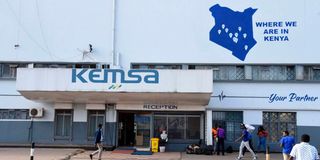
The Kenya Medical Supplies Authority (Kemsa) is set to receive Sh20.9 billion in the financial year beginning July 2026, more than four times the Sh5.2 billion allocated in the current budget.
The proposed increase of about 302 percent is among the largest line-item jumps in the health sector, whose overall allocation rises to Sh177.2 billion in the 2026/27 budget allocations amid growing pressure to finance essential medicines and health commodities previously supported by donors.
“To ensure reliable supply chains and strengthen human resources, I propose Sh20.9 billion for the Kenya Medical Supplies Agency,” Treasury Cabinet Secretary John Mbadi announced.
The funding boost comes at a critical moment for the State drug supplier, which has been grappling with cash flow constraints, mounting debts, delayed deliveries and chronic stock shortages in public health facilities.
Appearing before the National Assembly Health Committee, Kemsa Chief Executive Officer Dr Waqo Ejersa warned that prolonged delays in settling outstanding bills had created severe liquidity constraints, limiting the authority's ability to honour supplier commitments worth about Sh2.5 billion.
The additional allocation is expected to improve liquidity, accelerate settlement of supplier obligations and support efforts to raise the availability of medicines in public hospitals.
The authority aims to achieve and sustain a fill rate above 90 percent while deploying a new enterprise resource planning system to strengthen forecasting, procurement and inventory management.
During the financial year ending June 2025, the authority fulfilled only 41 percent of orders placed by public health facilities, less than half of its 90 percent target. Sales revenue also fell to Sh4.89 billion from Sh5.80 billion a year earlier.
Delivery timelines have deteriorated alongside the declining fill rate. By June 2025, hospitals were waiting an average of 19.5 days for supplies, nearly three times the seven-day target. Smaller facilities, including dispensaries and health centres, experienced average delivery times of 24.2 days against a target of 10 days.
A major factor behind the decline is the Sh7.6 billion owed to Kemsa by counties, national government agencies and development partners. More than Sh5.6 billion of the debt has remained unpaid for over 90 days, leaving the authority unable to restock adequately or meet supplier obligations.
County governments account for the largest share of the arrears at Sh3.66 billion, while referral hospitals and individual facilities owe Sh1.13 billion. The Ministry of Health owes about Sh1.5 billion, with development partners accounting for an additional Sh640 million.
Beyond addressing immediate operational challenges, the Sh20.9 billion allocation is expected to support Kenya's transition away from donor-dependent commodity financing.
Under a government-to-government agreement signed with the United States in December 2025, procurement and distribution of donor-supported health commodities are expected to be progressively transferred to Kemsa by the end of 2026.
The transition will place greater responsibility on the authority to procure, warehouse and distribute medicines previously financed through external support.