E-waste hits record high, raising health red flags

New data from the Kenya National Bureau of Statistics (KNBS) shows that total e-waste generation jumped by 4.5 percent to 55,956 metric tons last year, up from 53,559 metric tons in 2024.
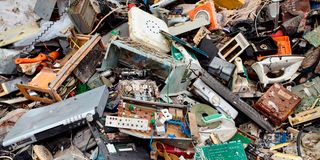
Photo credit: Shutterstock

Kenya’s electronic waste rose to a record high in 2025, raising the alarm over mounting environmental and health risks from discarded devices such as mobile phones, kettles and printers.

New data from the Kenya National Bureau of Statistics (KNBS) shows that total e-waste generation jumped by 4.5 percent to 55,956 metric tons last year, up from 53,559 metric tons in 2024.

This extended a steady upward trend from 48,461 tonnes in 2021.

The largest share of last year’s waste came from small household and consumer equipment such as microwave ovens, electric kettles, radios, toys and medical devices, which rose by 11.2 percent to 21,942 tonnes.

These were followed by temperature-exchange equipment such as refrigerators, freezers and air conditioners at 10,996 tonnes. Small IT and telecommunications equipment like mobile phones, computers, routers and printers were the country’s third-largest e-waste contributor at 6,608 tonnes.

The development raises concern about exposure to toxic chemicals from electronic waste, which, when improperly disposed of, releases toxic substances into the soil, water and air. These toxins have been linked to cancer and other health hazards.

“The total e-waste generated increased by 4.5 percent to 55,956 metric tons in 2025…electronic waste from small equipment increased by 11.2 percent to 21,942 metric tons in 2025,” KNBS said in its Economic Survey 2026.

E-waste refers to discarded electrical or electronic products that are obsolete, broken or no longer wanted. Analysts link the rise to increasing uptake of electronics, shorter product lifecycles and limited repair options, which are accelerating disposal rates.

Improper handling of such waste poses significant environmental and health risks. Burning or chemically processing discarded electronics, for instance, can release up to 1,000 toxic substances into the environment, including lead, mercury, cadmium and flame retardants, according to the World Health Organisation (WHO).

Exposure to these materials has been associated with cancer, respiratory illnesses like asthma and chronic obstructive pulmonary disease, birth defects, spontaneous abortions, and reduced intelligence quotient (IQ) in children.

Kenya’s e-waste challenge is compounded by the country’s heavy reliance on electronics imports.

About 70 percent of electronic equipment used in the country is imported, much of it second-hand or nearing the end of its lifespan.

The old electronics ride on the favourable pricing to grow market share. Most are refurbished goods from markets such as the US and the UK, and others arrive under the guise of donations, only to quickly become waste.

Yet despite the rapid turnover of digital devices, Kenya’s recycling capacity remains limited.

Estimates by the ICT Authority indicate that less than five percent of the country’s e-waste is formally collected and processed through safe recycling channels, leaving the bulk to informal handlers.

The government recently moved to restrict the importation of electronics older than 12 years, unless destined for approved refurbishment facilities or museums.

Proposed regulations published in November also classify equipment as waste if it remains unused for over a year, fails functionality tests or is too costly to repair.

The measures aim to align Kenya with stricter global standards. Rwanda in 2016 banned computers older than eight years and refrigerators older than 10 years, leading to a sharp decline in non-functional imports from 45 percent in 2015 to 18 percent by 2020, according to UNEP.

In Europe, Switzerland was the first country to establish a formal e-waste management system with a mandatory system where producers and retailers take back electronics, while in Asia, Japan is known for its advanced recycling and a law that mandates the recovery of precious materials from electronics.

Follow our WhatsApp channel for the latest business and markets updates.

PAYE Tax Calculator

Note: The results are not exact but very close to the actual.