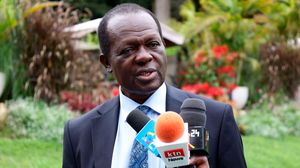
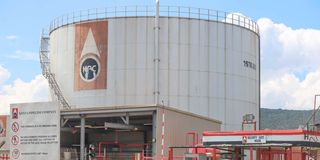
Kenya Pipeline Company (KPC) general manager for supply chain Maureen Mwenje has left the firm after 21 years of service in various roles, becoming the latest senior executive to exit amid the fuel tender controversy.
The Nairobi Securities Exchange (NSE)-listed firm announced her exit on Tuesday, coming about a month after managing director Joe Sang resigned on April 3, 2026, following his arrest over a disputed oil supply deal the State labelled substandard.
Ms Mwenje's exit was announced alongside that of two board members —Sharon Irungu-Asiyo and Mohamed Birik Mohamed— who ceased to be directors of the company on April 22, 2026 following the government's decision to sell down its stake and list the company on the NSE through initial public offering (IPO).
Ms Mwenje joined KPC in February 2005 as a graduate trainee (supplies) and grew through the ranks to the managerial level. Her exit is effective May 6.
“The board and management express their gratitude to Ms Mwenje for her service to the company and wish her success and fulfilment in the next chapter of her career,” said KPC in a statement.
She was in charge of strategic sourcing and supply chain management, streamlining procurement and supply chain processes, according to previous disclosures by KPC.
Ms Mwenje leaves at a time KPC has opened the search for a new managing director to replace Mr Sang. The firm will now have to contend with at least three new faces in the boardroom as it settles into its new life as a listed company.
Mr Sang was last month arrested alongside Energy and Petroleum Regulatory Authority director general Daniel Kiptoo Bargoria and principal secretary for Petroleum docket Mohamed Liban over suspected irregular procurement of fuel into the country.
The trio quit after their arrest, even as the State said it had opened a full inquiry into breaches including the procurement of substandard emergency fuel at inflated prices outside the government-to-government framework.
They had justified the procurement as necessary in averting fuel shortage in the country following the supply chain disruption in the Middle East triggered by the US-Israel war with Iran.
The State has since relaxed fuel standards to allow for importation of similar fuel to avert shortage as the Middle East crisis persists.