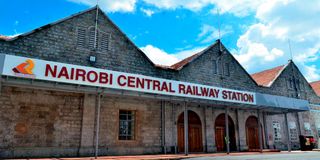
State-owned Kenya Railways Corporation’s net losses grew by Sh477 million to Sh28.16 billion in the year ended June 2025, clouding the performance of the standard gauge railway, which posted its first surplus since launch.
Latest disclosures by KRC show its net loss had grown from Sh27.68 billion the year before. The firm has not turned a profit in over a decade.
The SGR, its top cash cow, earned enough revenues to cover its operating costs for the first time since its commissioning in 2017, marking a major turning point for the infrastructure project, but not enough to lift its operator from the red.
During the period, SGR earned Sh18.5 billion in revenues, up from Sh16.8 billion a year earlier, while its operating costs rose only marginally by Sh290 million, to Sh18.3 billion.
The surge in revenues helped the modern railway line record a surplus of Sh181.7 million, turning around a loss of Sh1.18 billion the previous year, helped by increased passengers and freight services.
Passenger numbers
“This performance was buoyed by increased volumes in freight, enhanced earnings from freight and passenger services and efficient utilisation of assets and rolling stock,” KRC said in a disclosure.
The metre gauge railway (MGR), which has traditionally dominated KRC’s passenger numbers and revenues generated, continued to make losses as fewer Kenyans used it both for long-haul and commuter routes.
In the year to June 2025, MGR revenues dropped to Sh2.2 billion from Sh2.3 billion a year earlier, while operating costs declined slightly to Sh4.33 billion from Sh4.36 billion the previous year. This means its loss remained stable at about Sh2.1 billion.
KRC’s other business units –the Railways Training Institute and Landed Assets– contributed Sh252.6 million and Sh2.09 billion in revenues respectively, supporting a larger increase in its overall sales.
Overall, KRC’s revenues rose by Sh6.6 billion to Sh30.3 billion, from Sh23.7 billion, supplemented by grants from the exchequer, which rose from Sh2.9 billion to Sh7.7 billion.
Growth of SGR revenues
Its operating expenses during the period rose slightly by Sh659 million to Sh46.5 billion, driven largely by depreciation of property, plant and equipment. Staff costs rose to Sh4.2 billion from Sh3.7 billion.
In the review period, KRC’s loss was mitigated by a decline in deferred income tax to Sh13 billion from Sh23.3 billion.
The corporation is now banking on the sustained growth of SGR revenues and effective rent collection on its land assets to return to profits, as these two now remain its only profitable units.
SGR has registered sustained performance in both freight and passenger numbers, indicating high prospects for growth as the State begins SGR extension to Malaba.
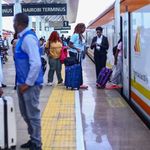
In the year to June, SGR ferried 2.55 million passengers, surpassing for the first time the number of travellers ferried by the MGR trains, which declined from 3 million to 2.51 million during the year.
To support its growth, KRC is investing further in SGR, with a planned extension of the line from the Syokimau terminus to the Nairobi CBD, expanding access for passengers amid a growing demand.