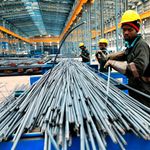
As Parliament considers the Finance Bill 2026/2027, a proposal to exempt scrap metal from VAT while introducing a 1.5 percent withholding tax is generating a major concern among stakeholders in Kenya’s manufacturing, construction, transport, and recycling sectors.
The proposal is intended to support recycling, formalise the scrap industry, and simplify tax administration. However, stakeholders warn that the move may instead increase production costs for steel makers and eventually raise the cost of construction materials.
Under the current VAT system, manufacturers purchasing scrap metal (amajor cost of sale) are able to recover VAT through input tax credits, ensuring that VAT does not become a direct production cost.
Once scrap metal becomes VAT-exempt, however, manufacturers lose the ability to recover VAT incurred on operational expenses such as fuel, electricity, transport, machinery, spare parts, and logistics. These taxes then become embedded costs within the manufacturing chain.
Contrary to public expectation, VAT exemption does not automatically translate into lower prices.
Scrap metal prices are largely determined by market demand, transport costs, fuel prices, and global commodity trends. Dealers are, therefore, unlikely to reduce prices simply because VAT has been removed.
Stakeholders further caution that the recent escalation in fuel prices may worsen the situation once the Finance Bill takes effect from 1st July. Fuel remains a key cost component in collection, transportation, and processing of scrap metal across the country.
Increased fuel costs are therefore likely to raise the market price of scrap metal supplied to steel makers after the law comes into effect. Manufacturers may consequently find themselves purchasing more expensive scrap metal while simultaneously losing the benefit of recoverable input VAT.
The resulting burden may ultimately be transferred to consumers through higher prices of reinforcement bars, roofing sheets, pipes, fabricated steel products, and other essential construction materials. This comes at a time when Kenya is already grappling with high housing costs, expensive infrastructure growth, rising electricity prices, and foreign exchange seesaws.
Although some Treasury pundits argue that withholding taxes are easier to administer than VAT and therefore support the proposed 1.5 percent withholding tax regime, stakeholders believe this approach may be economically misguided.
They argue that while withholding tax may appear administratively convenient, the wider economic effect could increase manufacturing costs, reduce industrial competitiveness, and ultimately hurt consumers through higher construction prices.
The Treasury loses the 16 percent VAT previously charged on scrap sales and the 1.5 percent withholding tax won't fully replace it. Two-tier system: Imports of scrap face five percent withholding tax + VAT, while local sales are VAT-exempt + 1.5 percent WHT. That creates loopholes and admin burden for KRA.
The Bill claims to "expand the tax base", but exempting a sector does the opposite. It narrows the VAT base and shifts the burden to other sectors such as digital financial services that lose exemptions.
Industry players also warn that weakening the profitability and competitiveness of manufacturers could reduce the overall tax revenues currently generated from the manufacturing sector under the existing VAT system.
There is broad agreement on the need to address illegal scrap trade, tax leakages, and vandalisation of public infrastructure within the scrap metal industry. However, stakeholders maintain that VAT exemption alone may not resolve these challenges without stronger enforcement, licensing, and proper policing.
Bottom line: The exemption helps scrap buyers on paper, but because "exempt" inability to claim input VAT means costs often rise anyway.
For the wider economy, you get reduced tax collection, potential price pass-through, and compliance headaches, with limited guarantee that end-product prices drop.
As public participation on the Finance Bill continues, stakeholders are now urging Parliament and the Treasury to reconsider the proposal warning that unintended consequences could undermine Kenya’s steel industry and place further inflationary pressure on the wider economy.
Henry Katambo and and Opiyo Nyakwar Nyang’or are Certified public accountants (CPAs)
Unlock a world of exclusive content today!Unlock a world of exclusive content today!