On February 28, the geopolitical landscape shifted dramatically when joint US and Israeli forces launched coordinated strikes against Iran, bypassing multilateral bodies such as the UN Security Council.
Unlike the multilateral interventions of the 1990s and early 2000s, this action marks a decisive return to unilateral force by nuclear powers, raising profound questions about global governance and long-term stability.
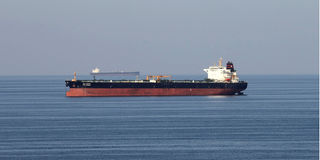
At the heart of the crisis lies the Strait of Hormuz, the narrow 33‑kilometre maritime chokepoint through which nearly 20 percent of global oil and 30 percent of global seaborne trade passes. Iran’s capacity, and willingness, to disrupt this artery has already shaken global energy markets, particularly as Gulf states ship up to 40 percent of globally consumed oil through this route.
For Africa, the repercussions are immediate and far‑reaching. Higher oil prices are flowing directly into transport and consumer costs, particularly in countries where fuel makes up a large share of inflation baskets: Kenya (10 percent), South Africa (15 percent), and Botswana (16 percent). With inflation already elevated, any sustained rise in energy costs risks amplifying pressure on food and household expenditures. Fertiliser supply chains are also vulnerable.
Iran accounts for roughly 10 percent of global urea exports, while Gulf countries supply nearly half of the world’s sulfur used in phosphate fertilisers. For Kenya, Ethiopia, Uganda, Tanzania, and Rwanda, where agriculture is the backbone of livelihoods, a fertiliser shock could suppress yields and worsen food insecurity, especially in drought‑prone areas.
Trade routes are being disrupted too. East Africa’s economies depend heavily on Gulf Cooperation Council markets and on Suez-linked shipping corridors. Many vessels associated with Kenyan-bound imports have already experienced delays.
War‑risk premiums and shipping surcharges are driving up the cost of commodities, capital goods, and consumer products.
Kenya faces heightened vulnerability due to its heavy reliance on petroleum imports from the UAE, Oman, Kuwait, and Saudi Arabia, valued at $4.39 billion. Any sustained disruption at Hormuz would inevitably trigger domestic fuel shortages and spiralling transport costs.
The Kenya Revenue Authority records jet fuel supplied at JKIA to foreign airlines, including Emirates, Etihad, FlyDubai, and Air Arabia, as re‑exports. A squeeze in supply would therefore not only raise domestic prices but also erode a significant source of foreign exchange revenue.
Fertiliser and logistics disruptions would add additional strain, creating pressure points for food security and inflation at a time when households are already stretched.
Yet, even in the midst of this turbulence, Africa is not without potential gains. Oil‑exporting African countries, Angola, Nigeria, Chad, and South Sudan, stand to benefit from elevated global oil prices.
With Brent crude averaging above $100 per barrel, fiscal balances may strengthen, debt servicing pressures could ease, and there may be new fiscal space to diversify economies and invest in long‑term growth.
Regionally, maritime disruptions in the Red Sea and Suez Canal could divert vessel traffic toward the East African coastline. Ports such as Mombasa and Dar es Salaam are well placed to absorb part of this re‑routed demand.
If supported by efficient logistics planning and investment, the crisis could accelerate Kenya’s ambition to cement its position as a regional shipping and transshipment hub.
More broadly, the turbulence reinforces Africa’s strategic priorities: diversify energy sources, strengthen food production systems, expand renewable capacity, and accelerate intra‑African trade through the AfCFTA. These are long‑term buffers that can shield the continent from future global shocks.
The conflict in the Middle East is undeniably a severe shock to East Africa’s energy, food, and trade systems. But the region is not powerless. Opportunities exist for oil‑exporting states, for logistics hubs, and for policymakers willing to use this moment to rethink energy and trade strategies.
In times of global turmoil, Africa can still chart a path toward resilience. The crisis is real, but with coordinated action, not all is lost.
We specialise in debt financing for microfinance institutions and tier-three banks across emerging markets, as well as investments in clean cooking companies in Sub-Saharan Africa.
Innocent Baluge is the Senior Investment Analyst at Enabling Qapital, an impact investment fund manager.
Unlock a world of exclusive content today!Unlock a world of exclusive content today!