Why we need more than physical ramps for a PWD-inclusive society

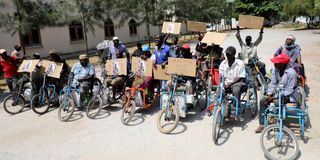
A section of persons living with disabilities in Mombasa protest against discrimination from the Management of the Mama Ngina Waterfront Park in Mombasa in this photo taken on January 30, 2025. 

Photo credit: File | Nation Media Group

The common refrain, “disability is not inability,” has long been an advocacy focal point for Persons Living with Disabilities (PWDs) seeking access to basic needs, protection and employment in pursuit of a more inclusive society.

Despite this, PWDs continue to face discrimination and stigma, often being segregated from communities. Limited resources, coupled with high dependence on primary caregivers, frequently contribute to neglect and entrench poverty.

Across Africa, Kenya, according to the Harvard International Journal 2023, has outpaced other nations in legislation and inclusion of PWDs, enshrining their rights in the Constitution and promoting representation to address barriers that alienate them from opportunities such as education, healthcare and employment. Uganda follows, then Rwanda, Zimbabwe and Egypt.

Historically, disability was shamed and hidden. Today, many children remain locked up or chained for conditions such as autism or intellectual disabilities, while adults are subjected to emotional and physical abuse.

Mass education, awareness campaigns and active inclusion of PWDs are essential to end personal biases and institutional blind spots.

While progress is notable, many institutions – schools, hospitals, churches and government offices – remain inaccessible to those reliant on wheelchairs or with other physical disadvantages.

Architectural design continues to favour the ‘default’ human being: young, agile and unencumbered. Although advocacy has led to ramps and accessibility improvements, much remains to achieve social and economic inclusion.

A mindset shift is as important as physical access. Policy must be backed by intentional action: public awareness campaigns that demystify disabilities, fight stigma, and address unconscious bias. Inclusion must extend beyond urban areas, reaching remote communities through economic empowerment and opportunities.

This requires collective responsibility.

When society values PWD inclusion as a shared mission across education, transport and public life – rather than leaving it solely to charities or government – a diverse range of voices shapes a more equitable, functional and inclusive society for all.

The writer is the founder, Hope Mobility Kenya

PAYE Tax Calculator

Note: The results are not exact but very close to the actual.