Time flies with great content! Renew in to keep enjoying all our premium content.
Prime
Trade runs on trust, not treaties
Truck drivers wait near their parked vehicles at the Namanga one stop border crossing point between Kenya and Tanzania, in Namanga, Kenya on May 12, 2020.
For the past decade, Africa has invested enormous political energy in trade policy. Regional agreements have expanded, tariff frameworks have been negotiated, and the African Continental Free Trade Area has created the continent's most ambitious integration project. And while this is impressive on paper, policy alone does not move goods across borders.
Trade moves when systems work. It moves when businesses trust that payments will settle, when banks trust counterparties across jurisdictions, when customs processes are predictable, and when transport corridors function reliably enough for goods to reach markets on time. In other words, trade runs on trust.

What the actually allows trade to move from one African market to another? The answer is rarely a single policy decision. It is a system.
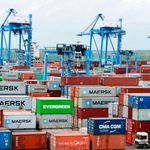
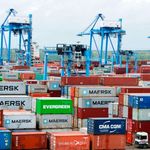
Cargo must clear ports on time. Producers need reliable routes to export markets, whether by road or rail. And when goods finally move across borders, payments have to settle smoothly across currencies and jurisdictions so exporters, importers, and their banks can operate with confidence.
When those pieces align, trade expands rapidly. When they do not, even well-designed policy frameworks struggle to translate into real economic activity.
This is why infrastructure continues to sit at the centre of Africa’s trade conversation. Reliable corridors determine whether agricultural exports reach regional markets competitively. They determine whether minerals and manufactured goods can move efficiently between production zones and ports.
They determine whether supply chains can operate predictably enough for businesses to invest with confidence.
But infrastructure alone is not enough.
Financial systems play an equally important role. Cross-border trade requires settlement mechanisms, liquidity support, risk management, and credit structures that allow businesses to operate across multiple jurisdictions. Without those financial rails, even functioning physical corridors cannot sustain large-scale trade flows.
This is where financial institutions increasingly become part of Africa’s trade infrastructure. Banks are not simply financing transactions. They are helping connect markets, structure capital, and support the payment and settlement systems that allow businesses to trade across borders with confidence.
But the larger objective is not simply deploying capital. It is supporting the systems that enable inter- and intra-African trade to function more seamlessly.
This includes working with governments, development finance institutions, and private-sector partners to improve trade corridors, support cross-border payment infrastructure, and expand access to financing for businesses operating across regional markets.
Africa’s trade ambition is no longer in question. The frameworks are in place, and the economic case for deeper integration is clear. The next phase of the continent’s trade journey will depend less on negotiation and more on execution. It will depend on whether institutions across Africa can strengthen the infrastructure, financial systems, and partnerships that allow businesses to trade with confidence across borders.
Trade agreements may define the rules. But it is trust, built through functioning systems and reliable institutions, that ultimately allows trade to move.
The writer is the Executive Director for African Subsidiaries, Access Bank Plc.
Follow ourWhatsApp channel for the latest business and markets updates.
Unlock a world of exclusive content today!Unlock a world of exclusive content today!