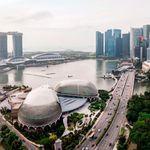
Kenyans have recently been engaged in lively, sometimes heated, debates about transforming the country into “Africa’s Singapore.” The vision is compelling: a disciplined, prosperous, high-income nation with world-class infrastructure, efficient public services, and a thriving economy.
President William Ruto has given the idea concrete shape by committing Sh5 trillion to what has been dubbed “Project Singapore.” The announcement generated excitement, skepticism, and everything in between.
Yet the deeper question is not whether Kenya can afford the price tag. Capital, while essential, is not the constraint. Singapore itself was resource-poor when it began its transformation in 1965.
What turned a small, vulnerable island into a global powerhouse was not trillions in foreign aid or natural wealth, but relentless focus on what can be called the “software” of nation-building: institutions, discipline, meritocracy, accountability, and a culture of excellence.
Kenya already has ambitious plans, talented people, and a young population hungry for progress. What we need most is the political will and societal consensus to upgrade the software.
Singapore’s success rests on one uncompromising principle: the most qualified people must occupy the most important jobs. Lee Kuan Yew’s government paid public servants competitively, insulated them from political interference, and demanded performance. Ministers and permanent secretaries were chosen for competence, not connections.
Kenya must do the same. Appointments to key positions in ministries, parastatals, and regulatory bodies should be rigorously merit-based, transparent, and insulated from tribal or political considerations.
When capable technocrats are empowered to execute policy without fear or favour, implementation improves dramatically. The opposite—patronage and nepotism—breeds inefficiency and erodes public trust.
Perhaps the most visible difference between Singapore and many developing nations is everyday discipline. In Singapore, traffic flows smoothly because drivers obey rules. Public spaces are clean because citizens take pride in them. Laws are enforced uniformly, regardless of status.
Kenya’s roads tell a different story. Matatus stop anywhere, overlap recklessly, and speed with impunity. Many motorbike riders and passengers ignore helmet laws. These seemingly trivial annoyances reflect a broader tolerance for disorder that spills into every sector.
Enforcing basic rules—starting with road safety—would send a powerful signal. It would save thousands of lives annually, reduce economic losses from accidents, and rebuild public trust in the State’s authority. Discipline on the roads can become discipline in classrooms, offices, factories, and government offices.
Singapore minimised corruption not by preaching morality but by paying public officials well, enforcing strict laws, and setting examples from the top. Senior ministers faced investigation and resignation when necessary. The message was clear: no one is above the law.
Kenya must revive the spirit of Chapter Six of the 2010 Constitution on leadership and integrity. Leaders implicated in credible wrongdoing should step aside promptly while investigations proceed.
Sanctions for corruption, negligence, or abuse of office must be swift and proportionate. When citizens see consequences applied fairly, trust returns and compliance improves.
Singapore invests heavily in education and aligns it tightly with economic needs. Teachers are well-paid, rigorously trained, and respected. The curriculum emphasises mathematics, science, critical thinking, and technical skills.
Kenya has made strides in access, but quality remains uneven. We must shift resources toward teacher training, curriculum reform, and infrastructure in science, technology, engineering, and mathematics subjects.
An excellent education system produces citizens who innovate, work precisely, and demand high standards from their leaders and themselves.
If we get the software right, the hardware will take care of itself. And the Singapore dream will cease to be a conversation and become our reality.
Singapore’s economic miracle was built on a pro-business environment: low taxes, efficient regulation, world-class infrastructure, and zero tolerance for corruption. The government saw its role as creating conditions for private enterprise to thrive, not competing with it.
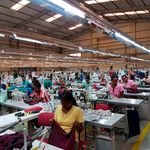
Kenya should offer targeted incentives to priority sectors—manufacturing, technology, agribusiness—while removing bureaucratic hurdles that stifle small and medium enterprises.
A competitive private sector creates decent jobs, raises incomes, and broadens the tax base, reducing dependence on debt. Transforming the software does not require Sh5 trillion upfront. It begins with small, visible wins: cleaner streets in one county, disciplined traffic in one city, a merit-based appointment that defies expectations. Each success builds momentum and public confidence.
The hardware—infrastructure, industrial parks, digital networks—will follow naturally once investors and citizens trust the system. Foreign direct investment flows to predictable, disciplined environments. Domestic entrepreneurs expand when they believe rules will be enforced fairly.
Singapore achieved first-world status in roughly one generation. Kenya, with a larger landmass, abundant resources, and a vibrant youthful population, can do it faster—if we prioritise the right things.
The Sh5 trillion commitment is welcome, but money alone will not buy Singapore. Only a national resolve to install better software, starting with discipline, merit, and accountability will. Leaders must lead by example. Citizens must demand excellence and accept responsibility for order in their own spheres
If we get the software right, the hardware will take care of itself. And the Singapore dream will cease to be a conversation—it will become our reality.
The writer is a Nairobi based businessman and former CEO of Nation Media Group.
Unlock a world of exclusive content today!Unlock a world of exclusive content today!