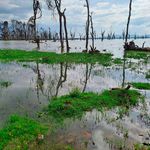
From time immemorial, human beings have been inseparably linked to the environment. It begins with the ground we walk on, the air we breathe, and the clean water we drink, all of which form the foundation of our wellbeing.
Yet today, these essentials of life are under threat.
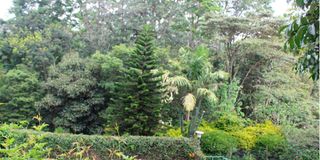
Climate change, driven by deforestation, unsustainable agriculture, and unmanaged land use, has eroded ecosystems, disrupted livelihoods, and compromised human health through air pollution, droughts, and floods.
In Kenya, the situation is pressing. According to Global Forest Watch, the country’s forests, which cover about 6 percent of our land area, remain under constant threat from logging, charcoal production, and conversion of land for agriculture and settlement.
As this degradation continues, our flora and fauna are suffocated, endangering biodiversity and weakening the natural systems that sustain life.
But all is not gloom. We are awake to the reality that further degradation of our natural resources will continue to endanger our survival. Kenya has set an ambitious goal to grow 15 billion trees by 2032, a bold step toward increasing national forest cover.
Through the combined efforts of individuals, communities, businesses, and government, this vision is achievable, and it will allow the earth to breathe again.
Trees are among the most powerful allies in combating climate change. They absorb carbon dioxide, regulate temperatures, stabilise soils, and protect watersheds. In cities, they provide shade, reduce heat, and help mitigate flooding by improving water absorption.
Green spaces, whether community parks or restored forests, are the lungs of our planet. It is no surprise that hundreds of Kenyans flock to Karura Forest, Ngong Forest, and other green spaces every weekend for nature walks. Science has shown that these experiences nourish our mental, spiritual, and physical health.
As the world marks World Environment Health Day, under the theme “Clean Air, Healthy People”, we are reminded that the environment and health are two sides of the same coin.
Good health depends on clean air, a stable climate, a preserved natural environment, and access to safe water and sanitation. The World Health Organization estimates that a healthy environment could prevent nearly a quarter of the global disease burden, a reminder of why protecting ecosystems should not be optional.
Through our partnership with Rhino Charge – an off-road motor racing activity which raises funds for the Rhino Ark Kenya Charitable Trust to conserve mountain ecosystems and water towers – we have championed tree planting and forest conservation.
We also work directly with farmers, encouraging agroforestry practices that integrate trees into farming systems, while supporting them with certified seeds, safe agricultural practices, and capacity building for sustainable livelihoods.
Furthermore, as a business that is reliant on natural resources, we are conscious of our responsibility to reduce waste and conserve water.
Through Project Rudisha, for instance, we have adopted a circular economy approach by shifting from a one-way packaging system to returnable glass bottles. This initiative reduces waste sent to landfills, increases reuse and recycling, and promotes responsible consumption which are key steps toward protecting our environment.
The benefits of environment-conscious decisions we make today cannot be overstated.
They protect biodiversity, sustain businesses, and safeguard millions of people who depend on natural resources for their livelihoods. It will take cross-sectoral collaboration between leaders in agriculture, health, manufacturing, and other sectors to ignite conversations, lead in policy formulation to transform how we live, produce, and consume.
Partnerships with likeminded organizations and people have a greater impact towards driving sustainable social and economic development under which environmental stewardship is anchored.
For instance, through the ‘Adopt a Forest’ initiative, World Rally Championship have led in efforts to rehabilitate degraded forests across the country by planting nine million trees across 20 counties out of a targeted 19 million trees in the next three years. All these initiatives combined with others will help undo years of unconscious harm to the planet.
To immortalize the words of the late Nobel Peace Prize laureate Wangari Maathai, “It’s the little things citizens do. That’s what will make the difference. My little thing is planting trees.” It is our combined efforts that will restore the earth and our ecosystems.
Let us each find our “little thing,” in targeted tree planting initiatives and conserving the existing green spaces.
The writer is the Head of Marketing Premium Beer at Kenya Breweries Limited
Unlock a world of exclusive content today!Unlock a world of exclusive content today!