Kenya’s chance to redefine trade ties with US post-Agoa

 Kenya has a unique opportunity to reposition itself as a strategic and indispensable partner to the United States. 
 

Photo credit: Shutterstock

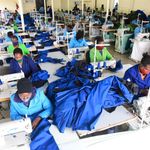
Kenya is at a pivotal juncture in shaping its future economic relationship with the United States. With the African Growth and Opportunity Act (Agoa) extended by only one year and ongoing plans for a bilateral trade agreement, the country has a unique opportunity to reposition itself as a strategic and indispensable partner to the US.

This moment requires Kenya to adopt a negotiation approach that aligns with the current American trade philosophy, particularly that of Donald Trump’s transactional and “America First” outlook, which emphasises clear, measurable benefits for the US economy.

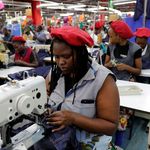
By integrating its youthful, highly skilled workforce and technological advancements into its trade narrative, Kenya can create a compelling case for deeper cooperation that moves beyond preferential trade access into a wide-ranging partnership based on investment, innovation and mutual strategic interests.

Kenya’s economic transformation is no longer defined solely by traditional sectors such as labour-intensive textiles and apparel. Instead, the country is making significant strides toward high-value manufacturing and sophisticated service industries.

A notable achievement is Kenya’s groundbreaking entry into semiconductor manufacturing, anchored by the establishment of a microchip production facility at Dedan Kimathi University of Technology.

This initiative marks Kenya as the first African nation to produce microchips, a critical component for modern electronics, and signifies a major step in moving up the global manufacturing value chain.

By diversifying its manufacturing base, Kenya not only advances industrialisation but also generates high-quality employment opportunities, enhances technological capabilities and builds resilience within global supply chains—elements that are directly relevant to US economic and security objectives.

The US faces persistent challenges with global supply chain vulnerabilities, particularly highlighted by recent semiconductor shortages and geopolitical uncertainties in key manufacturing regions.

Engaging with Kenya’s evolving semiconductor ecosystem provides a pathway to diversify and secure critical supply chains, further enhancing economic resilience for both nations. Opportunities for joint research, technology transfer and workforce development in Kenya align well with American policy priorities, offering mutual benefits that transcend traditional trade.

Simultaneously, Kenya’s service sector is evolving beyond labour-intensive outsourcing and business process services into more advanced digital, financial and professional services.

The country’s fintech innovations, exemplified by the widespread success of M-Pesa, have revolutionised financial inclusion and digital payments across Africa. Kenya now boasts a vibrant ecosystem of fintech startups and established firms that are innovating in areas such as digital banking, mobile payments and financial products tailored to small and medium enterprises.

Collaborating with this sector offers US companies exciting opportunities to co-develop financial technologies, expand market reach within emerging African economies and engage with a well-trained workforce capable of supporting complex digital economies.

However, to successfully negotiate within the Trump administration’s transactional framework, Kenya must prioritise reciprocity and immediate deliverables. Its strategy should articulate how partnerships in advanced manufacturing, fintech and digital services will create American jobs, improve supply chain resilience and provide measurable economic gains.

Rather than broad, long-term commitments, Kenya’s proposals must offer specific projects and partnership models—such as university-industry consortia for semiconductor innovation, co-funded workforce training, or digital trade facilitation agreements—that deliver tangible results within a constrained timeframe.

The limited one-year extension of Agoa serves as an impetus for urgency, encouraging both sides to pursue an ambitious, comprehensive bilateral agreement rather than settling for another temporary fix.

To truly capture the opportunities presented by this new era, Kenya must move beyond the legacy Agoa model, which has traditionally concentrated on apparel exports, by promoting diversification into high-value products and services.

Enhancing transparency and reliability in these areas is critical to attracting and retaining serious US investment.

Moreover, Kenya’s infrastructural improvements—such as modernised ports, digitalised customs systems and strengthened regional logistics networks—not only improve efficiency but also position Kenya as a stable and reliable gateway for US firms seeking to establish resilient supply chains in Africa.

Kenya’s transformation aligns organically with broader US strategic interests. The modern trade agenda includes critical themes beyond tariffs, encompassing digital trade, intellectual property protections and cross-border data flows. Partnering with Kenya on these subjects promotes technological leadership and economic competitiveness in the global economy.

Kenya’s role as an economic hub under the African Continental Free Trade Area further amplifies its strategic value, offering US firms access to the wider African market through a dependable regional base. From a geopolitical perspective, Kenya’s economic growth and stability underpin regional security, supporting US efforts to counter extremism and foster peaceful development in East Africa.

Framing trade negotiations within these interconnected economic and security priorities strengthens Kenya’s appeal as a stable partner. Alongside efforts at the policy negotiation table, Kenya’s diplomatic presence in Washington, requires reinvention to meet the transactional demands of the current trade environment. The embassy must evolve from a general advocacy role to a highly focused commercial strategy centre
Activating Kenya’s highly skilled diaspora in the US particularly those working in technology, finance and innovation-driven sectors, can create a formidable grassroots lobbying force that essentially speaks for Kenya with a credible American voice.

Lastly, establishing a dedicated “deal desk” within the embassy staffed with trade policy and investment experts can facilitate rapid resolution of non-tariff barriers, expedite project approvals and serve as a vital link between Kenyan exporters and US buyers in a high-stakes, competitive trade environment.

The country’s ability to attract US investments into industrial parks and manufacturing zones has created high-value jobs and integrated supply chains. Kenya can reshape its relationship with the US on a foundation of mutual economic resilience, supply chain security and technological innovation.

This approach moves beyond aiddriven narratives to a partnership grounded in enterprise, shared prosperity, and strategic alignment.

Achieving this will require meticulous negotiation, targeted diplomacy and sustained investment in the country’s innovation ecosystem, but the rewards promise to be transformative for Kenya, the US, and the wider African region alike.

The writer is a Corporate Finance Executive, New York and holds a Wharton MBA.

PAYE Tax Calculator

Note: The results are not exact but very close to the actual.