Kenya has always been a trading nation. From the dhow routes of the coast to the modern container ships in Mombasa, we have long understood a simple truth: when goods move smoothly, economies grow. When they do not, everyone pays - businesses, consumers, and government alike.
For Kenya to compete, regionally, under the EAC and Comesa, and at continental level under the African Continental Free Trade Area (AfCFTA), transport projects should be developed with the multimodal advantage in mind. This is the ability to move cargo using two or more modes of transport- sea, rail, road, and air - under one coordinated logistics chain.
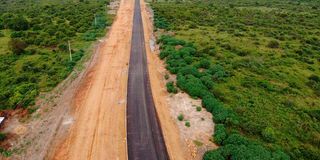
The benefits include; lower cost per tonne-kilometre (especially when rail and sea do the heavy lifting); faster and more predictable delivery times; reduced cargo handling and loss; better access for landlocked and frontier markets; and a smaller carbon footprint.
For Kenya to enjoy the full benefits of infrastructure like more developed nations there is need to build connected infrastructure assets to support a seamless flow - from berth to warehouse to factory to border.
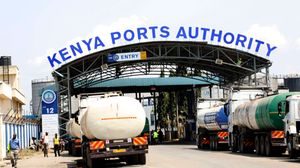
Kenya is uniquely positioned to continue playing a leading role in East Africa’s logistics with Mombasa port being the primary gateway for the Northern Corridor - serving not just Kenya, but Uganda, Rwanda, Burundi, Eastern DRC and South Sudan.
Nairobi is also a natural logistics and financial hub with the aviation network supporting high-value, time-sensitive exports like horticulture and pharmaceuticals. Kenya also has the opportunity to develop a second major gateway at Lamu, purpose-built for the next era of regional commerce.
The Lamu Port–South Sudan–Ethiopia Transport (Lapsset) Corridor is not just a Kenyan infrastructure concept. It is a regional economic rewire for Kenya, Ethiopia and South Sudan, designed to open up new growth zones, unlock trade, and reduce the ‘’distance penalty” that makes African trade too expensive.
If implemented with discipline, Lapsset has the potential to; create an integrated logistics spine from the Indian Ocean to the heart of Eastern Africa; catalyse Special Economic Zones and industrial clusters along the corridor; and offer an alternative and complementary route for regional trade flows, easing pressure and risk concentration on a single gateway in the current arrangement.
It is not just about moving containers; it’s about moving value: manufactured goods, processed foods, fertiliser, building materials, textiles, and technology-enabled services.
The business opportunities in AfCFTA, will only be realised by countries that can deliver goods faster, cheaper, and more reliably across borders. To scale its value chains, Kenya needs a combination of road, rail, air and see transport.
To make multimodal a reality with Lapsset, Kenya needs to; build the logistics hubs and not just the links. Ports, rail and highways need to connect to inland container depots and dry ports; logistics parks and warehousing; Special Economic Zones/industrial parks with last-mile connectivity; and cold-chain infrastructure (especially for exports and food security).
Kenya also needs to pay attention to soft infrastructure issues that undermine competitiveness including; border friction and inconsistent procedures; paperwork and manual processes and avoidable inspections; fragmented agency coordination; and security & cargo integrity risks.
Digitisation, single-window platforms, harmonised border processes, and corridor-wide performance standards are not glamorous - they attract trade and catalyse additional economic activity.
Designing transport corridors that attract investment-grade capital is also key including electrified freight rail where viable; energy-smart ports and logistics hubs; clear carbon-reduction pathways and reporting; credible community benefit frameworks; and PPP structures that investors can actually price.
Kenya has a real opportunity to be the logistics and industrial gateway of Eastern Africa - not by building the biggest assets, but by building the smartest system. Multimodal transport can help reduce the cost of doing business, strengthen regional integration, and compete under AfCFTA.