How private capital will shape next chapter of Kenya’s economic growth

Lapsset

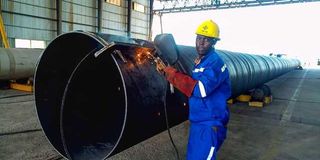
Works going on at Lapsset project in Lamu. 

Photo credit: File | Nation Media Group

Kenya stands on the threshold of a historic economic shift, one defined not by incremental progress, but by transformative infrastructure. This will reaffirm the country’s positioning as the gateway to Eastern Africa.

At the heart of this shift are major infrastructure projects such as Lamu Port–South Sudan–Ethiopia Transport (Lapsset) Corridor.
Lapsset, if fully implemented, promises to redefine Kenya’s trade routes, and anchor it firmly within the expanding African Continental Free Trade Area (AfCFTA) marketplace. For this vision to materialise, private capital is a fundamental ingredient in scaling up investment in requisite infrastructure to cut barriers to market access.

The launch of AfCFTA created the world’s largest free trade zone. Yet its success hinges on one critical factor: infrastructure that connects African producers, consumers, and markets.

Lapsset becomes transformational and will open new trade and logistics gateway from the Indian Ocean into Ethiopia and South Sudan.

It'll provide an alternative to congested northern corridors; unlock new industrial hubs, and energy investments along its spine. It reduces transport costs and shortens export timelines for local businesses.

For Kenya’s working and middle class – entrepreneurs, SMEs, manufacturers, creatives, and service providers – this translates into new markets, customers, and opportunities.

Lapsset is Kenya’s entry ticket into continental market value chains.

For decades, infrastructure across Africa has relied on public funds. But with rising fiscal pressures, constrained budgets, and competing social demands, the traditional model is no longer sufficient to build the kind of large-scale corridors, ports, railways, industrial cities, and energy systems needed for the 21st century.

Kenya’s recent decision to accelerate Public–Private Partnerships (PPPs), create the National Infrastructure Fund, and position the Sovereign Wealth Fund as an anchor investor signals a pragmatic, forward-looking shift.

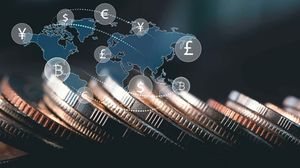
The ambition is bold: Sh5 trillion ($ 39 billion) investment in infrastructure and economic projects over the next decade covering transport, logistics, energy, water security, agriculture, and the digital economy.

This level of investment is not simply desirable; it is essential. And it cannot be achieved without mobilising private capital at scale. Climate change has made infrastructure planning more complex and more urgent.

Drought cycles, flooding, marine erosion, and rising temperatures are already reshaping livelihoods and economic systems across Kenya. This means roads must be climate-resilient; ports must integrate green technology; rail must draw from clean power; and the Special Economic Zones (SEZs) must be designed for the low-carbon economy.

Private capital, especially global and diaspora investors, increasingly demands ESG-aligned opportunities. Sustainable infrastructure is therefore not just good ethics, it is good economics.

A Moment for Kenya to Lead

Africa currently receives only five percent of global infrastructure investment, despite holding 18percent of the world’s population. The annual funding gap sits at over $100 billion.

Within this challenge lies a tremendous opportunity. Kenya with LAPSSET as a continental anchor – is perfectly positioned to lead Africa’s next industrial and logistics renaissance. When private capital is mobilised effectively with transparent frameworks, strong governance, ESG compliance, and inclusive community models the benefits reach every part of society.


Looking Ahead: Kenya’s Defining Decade

This is Kenya’s window. The decisions we make today - how we fund, build, and govern infrastructure, will define our place in the AfCFTA value chain for generations. We are no longer discussing infrastructure as a 'cost’ but as Kenya’s pathway to sustainable prosperity for future gen

Martin Ngunga is the CEO at Afri Fund Capital.

PAYE Tax Calculator

Note: The results are not exact but very close to the actual.