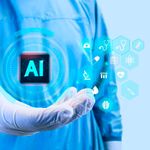
The “digital front door” represents a radical shift toward a new and permanent way of managing the patient experience. Much like the invention of the steam engine, the light bulb and electricity, certain technological advancements split the world into “before” and “after.” The digital front door is one such advancement.
Conceptually, the digital front door is an omni-channel customer engagement strategy aimed at using technology to improve the patient experience at every touchpoint in the consumer journey.
It represents all the ways medical providers interact digitally with patients outside the point of care. In essence, it refers to the initial touchpoints where patients interact with a provider—online scheduling, registration, and eligibility verification.
These tasks have traditionally been slow and error-prone, introducing inefficiencies that disrupt clinical and financial workflows. However, advanced AI platforms now handle eligibility checks and prior authorisations in real time, removing administrative hurdles before patients even arrive.
While the digital front door is the entry point, artificial intelligence (AI) is the mechanism that opens it. AI is transforming healthcare advertising from passive, broad-based awareness campaigns into highly personalised, proactive engagement strategies.
By 2028, an estimated 70 percent of patient engagement interactions will be powered by AI. This shift enables healthcare providers to reach patients with tailored messaging based on behavior, search intent and clinical needs, effectively moving the industry from a reactive model to a predictive one.
AI is no longer merely a support function; it is becoming a business growth solution. It acts as a revenue-driving system that connects the “campaign” to the “conversion.”
Despite the technological potential, however, healthcare marketing presents unique challenges that require a strategic, data-driven approach.
Medical advertising faces significant hurdles rooted in strict regulatory compliance, the need to maintain patient trust and the complexity of the patient journey.
AI is rapidly transforming how medical practices market their services, from automating patient inquiries to personalising campaigns with unprecedented precision. The global AI healthcare market is projected to grow at a 39 percent compound annual growth rate between 2024 and 2030.
However, medical marketing is deeply tied to patient trust. Using AI without clear oversight can create compliance issues, harm reputations, and lead to missed opportunities.
By blending data-driven insights with advanced technology, AI is enabling a new era of precision that benefits patients, healthcare providers, and advertisers alike
The risks of relying too heavily on AI are significant. Therefore, the industry must embrace AI wisely. By establishing human oversight, committing to transparency, and addressing concerns around bias and inclusivity, healthcare marketing organizations can leverage AI to enhance efficiency without sacrificing credibility.
As healthcare advertising continues to evolve, the adoption of AI is reshaping how advertisers and publishers engage with their audiences. AI is not just a buzzword—it is a transformative force.
By harnessing its capabilities, the industry can achieve new levels of efficiency, effectiveness, and personalization. The future of healthcare advertising is here, and it is powered by AI.