Hard lessons for Nairobi from the revamping of Addis Ababa city

An aerial view of Addis Ababa, the capital city of Ethiopia.

Photo credit: Pool

My last visit to Addis was in 2023. But what I found in my latest visit jolted me. The face of this city has been completely changed lately. A flashback may help to challenge us to be bolder in pushing to improve our urban spaces.

When I first visited this city in 2006, there was not much to admire, save for some scattered high rise buildings. Its growth seemed embryonic, with pockets of mundane rural houses scattered at different places.
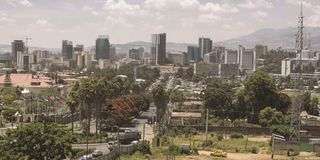
There were expansive zones with temporary dwelling units too, you could call them informal, though not as densely populated as in the Kenya sense.

But over a time, I began to notice a rapid increase of high-rise buildings within the city centre and its environs. Construction was continuous. Gradually, the rural zones within the city gave way.

And the informal settlements too. It was like there were clinical interventions to “pluck them out”. I am yet to really know where the people affected were taken to. Given that land in Ethiopia belongs to government, moving such people out is never quite a problem. Nothing like we face while trying to move people in our urban areas.

By the end of 2015, the Addis Ababa city light rail system was launched. It took a few years to build, yet traversed heavily developed parts of the city. Those mega compensation issues that would have obstructed construction Kenyan cities in weren’t on the table.

Yet, right now, Nairobi city would do with such a system, and many towns in Kenya should have road constructed bypasses. Slow traffic will continue to constrain urban movement and undermine urban economies if we do not figure out how best to open up transport corridors and provide for rapid and mass movement of urban workers.

What currently strikes visitors to Addis Ababa is the city’s Corridor Development Project, now into its third year of implementation. It has focused on improving urban mobility and quality of life.

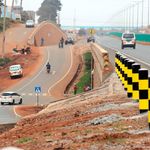
This project is transformative and has involved the redesign of streets and public spaces, beautification and the repainting of buildings. It has gradually changed the face of Addis Ababa, lifting it above that of many other African cities that I have toured. It has involved road widening, the construction of walkways, bicycle lanes and comprehensive street lighting.

The project has delivered public seating spaces, street art, recreation areas and beautiful green spaces too. There’s been riverside infrastructure, greening and lighting. All buildings have had to be repainted in uniform white and grey.

Addis Ababa is alive and pleasant. One walks easily, and can find decent comfortable seating spaces. Street lighting works and gives the city a happy and pleasant landscape at night.

The redesign and construction has involved planning, resistance and costs. But it’s been done. Our urban managers have hard lessons to learn from Addis Ababa City Administration.

The writer is a consultant on land governance. Email: [email protected]

PAYE Tax Calculator

Note: The results are not exact but very close to the actual.