Grand Falls Dam, a green project perfect for agro-industry growth

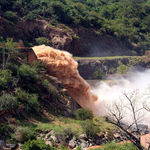
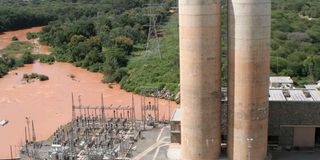
An aerial view of Masinga power station. The High Grand Falls Dam on the Tana River was to supply water to a new Lamu metropolis, a key component of the LAPSSET project. 

Photo credit: File | Nation Media Group

Just like the Lamu Port-South Sudan-Ethiopia-Transport (LAPSSET) Corridor, the High Grand Falls Dam on River Tana is another Kibaki-era multisector project intended to economically open up a region classified as marginal.

In fact, this dam was expected to supply water to a new Lamu metropolis, a key component of LAPSSET project. The principal justifications for the dam are power generation, water supply and irrigation.
Awarding the project to the GBM Engineering Consortium is proof that PPPs can be sourced and awarded transparently and competitively.

This public procurement process meets the basic governance requirements necessary to earn public trust. It is now upon the government and relevant regulators to ensure they deliver on their contractual commitments to deliver project objectives on time and at cost.

The indicated power generation mix for the project is 700 megawatts of hydropower and 500 megawatts of solar, both renewable.

It is assumed that the solar plant will invariably include sufficient backup battery storage capacity to make its power output baseload for stable 7/24 feed to the national grid. This will permit reduced imports of power needed to supplement peak evening demands.

The abundant availability of fresh water and relatively cheap renewable electricity makes the Tana site an ideal location for green hydrogen, ammonia, and ammonium fertiliser manufacture. Green hydrogen is made through the electrolysis of fresh water using renewable electricity.

Combining this hydrogen with nitrogen distilled from air will make ammonia which in turn is used to make ammonium fertilisers. For hydrogen and fertiliser manufacture, the Tana location beats Naivasha and Menengai geothermal locations where freshwater supplies are limited by competing users.

Hydrogen can equally be used as a fuel, especially for industrial heating to replace imported oil and coal. This makes the Grand Falls Dam site a potential incubator of agro-industries fed by farms irrigated by the same Tana Dam project.

The terrain around the Dam in Tharaka Nithi and Kitui counties is quite irrigable with good soils and sufficient sunshine most of the year. This makes the area suitable for commercial and small-holding irrigated horticulture, fruits, and even cotton growing.

Various components of this project are truly “green” and eligible for climate funding. Besides delivering renewable energy, the project doubles up as a climate resilience enabler by way of enhanced food security.

The main threat to the project is occasional water shortfalls during droughts and poor hydrology in upstream water-catchment areas caused by forest cover depletion.

The writer is the is director of Petroleum Focus Consultants.

PAYE Tax Calculator

Note: The results are not exact but very close to the actual.