Frenzy of duty-free imports is suspicious

215339-01-02

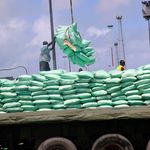
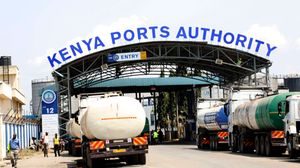
The government will import large quantities of rice, cooking oil, sugar, wheat and beans duty-free through the Kenya National Trade Corporation (KNTC). 

Photo credit: File | Nation Media Group

The drama surrounding new duty-free rice import has entered a new phase. In a surprising twist, two Mombasa-based commodity trading moguls have quietly withdrawn a case they had filed to block the government’s plan to import 500,000 tonnes of rice.

Change of strategy? Or have the protagonists simply decided to throw in the towel?
Given the high stakes involved—and mouth-watering profits at play—this is no simple surrender. What we are likely witnessing is an elite compromise: cloak-and-dagger bargaining among powerful business and political interests, with the public interest once again shoved to the back burner.

The big question now is whether these backroom negotiations clear the way for the award of contracts to the 60 traders who had earlier won tenders through a competitive process run by the Kenya National Trading Corporation (KNTC). Or is the stage being set for yet another opaque, backdoor procurement?

The government should seize this moment to reset the process and prevent what is fast shaping up to be a full-blown duty-free rice import scandal. Transparency, open bidding, and public disclosure of importers’ identities are the only ways to restore confidence in this deal.

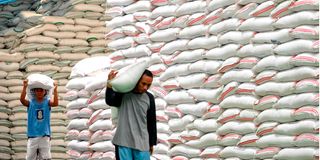
The interests of rice farmers in Mwea and Ahero must come first. When news of the planned imports broke last month, smallholder farmers in Mwea lamented that their produce remained unsold—and that they had not been paid for stocks already delivered to state-run commodity boards. If these huge imports proceed unchecked, they face double jeopardy: unsold rice and collapsing prices.

Whenever we face policy choices that pit smallholder farmers against powerful import cartels, I’m reminded of Robert Bates’ seminal book Markets and States in Tropical Africa. Bates argued that African leaders often adopt policies detrimental to agriculture because they prioritise holding onto power.

To do so, they must maintain coalitions with wealthy supporters—and inevitably, policy tilts toward those who sustain them politically, not toward those who feed the nation.

If this administration was truly interested in protecting farmers, it would first conduct what economists call a “volume and timing risk” analysis. If imports arrive when local stocks are high or during harvest, prices inevitably crash—hurting smallholders.

The government should publish transparent data on production, stocks, and deficits so that the public can verify whether import volumes actually match the shortfall.

Imports should not proceed until rice farmers are assured of prompt payment for their existing stocks. It is not enough to promise that KNTC will “mop up” local rice. At what price? On what timelines? Where is the evidence that payments will be made without delay?

And finally, with such massive imports within a compressed period, the risks of substandard rice, smuggling, and mislabelling are immense.

Unless the process is reset, the duty-free rice plan risks becoming yet another case study in how elite bargains sabotage public policy—and how smallholder farmers, yet again, end up as collateral damage in the politics of rent-seeking.

Here are the hard facts.

The whole saga began on July 29, 2025, when the Agriculture and Food Authority (AFA) wrote to KNTC explicitly authorising it to facilitate procurement of 500,000 tonnes of Grade 1 white milled rice, duty-free.

That letter said imports were necessary to address an anticipated national shortfall over the next six months.

KNTC acted on those instructions by floating a restricted tender, conducting evaluations, and issuing letters of intent to successful bidders.

Then came the twist. Barely 24 hours later, on September 10, AFA directed KNTC to cancel the very tender it had authorised, nullifying awards that bidders were already brandishing as binding contractual documents.

On September 17, KNTC wrote to the Commissioner of Customs and Border Control, notifying the office that the allocations had been cancelled on AFA’s orders.

Then came the scandal. The very same contracts resurfaced in the hands of a different set of well-connected insiders. The original awardees—now cut out—rushed to court, waving their cancelled contractual documents and crying foul.

Duty-free imports have become the new frontier of corruption — a convenient loophole through which billions can be siphoned under the guise of cushioning consumers.

Unless transparency and accountability are restored to the import regime, duty-free windows will remain the favourite playground of politically connected cartels — and ordinary farmers will keep paying the price.

The writer is a former managing director of The EastAfrican.

PAYE Tax Calculator

Note: The results are not exact but very close to the actual.