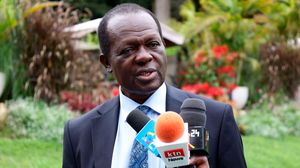
Wiper Party leader Kalonzo Musyoka jumped the gun when he claimed that a shipment of 25,000 tonnes of sugar previously declared unfit for human consumption was headed to a sugar factory for repackaging and distribution to unsuspecting Kenyans.
He described the consignment as a public health threat, accused President William Ruto’s administration of putting politics ahead of commercial interests, and demanded that it be condemned and destroyed.
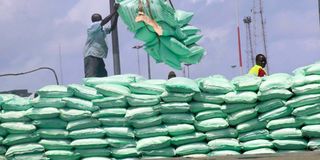
The Kenya Bureau of Standards (Kebs) quickly rebutted the allegations, insisting that no sugar unfit for consumption had been cleared into the market.
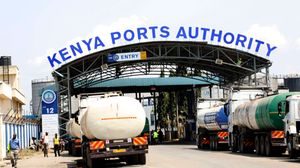
Mr Musyoka was partly correct, however, in saying that a shipment of raw Brazilian sugar had indeed been imported. The bulk carrier Mv Hadeel, sailing under the flag of Panama, departed the Brazilian port of Barnabe Santos last month carrying 25,000 tonnes of semi-processed sugar bound for Mombasa.
At the time of writing, the consignment was still “on the road,” shipping jargon for vessels waiting offshore for berths. The delay has already triggered demurrage charges, as port authorities argue over whether the cargo qualifies as raw sugar—which must be refined before use—or brown sugar which can be released directly for consumption.
Preliminary tests suggested the consignment fitted Kebs standards for brown sugar. Yet the import licence used only allowed for raw sugar to be refined locally. That contradiction is at the heart of the dispute: why was brown sugar brought in under a licence restricted to raw imports that is allowed under a duty remission scheme? A sugar import licence is the most valuable currency in the trade. You make big bucks from price arbitrage.
Mr Musyoka’s statement vaguely pointed to a “party in Western Kenya.”
Here, Mr Musyoka and his allies appear to have jumped the gun. It is not yet clear whether importers of the consignment intend to divert sugar unfit for consumption into the market. Still, troubling questions remain.
Who is monitoring the cargo’s final destination? What penalties would apply if unfit sugar is released to consumers? At a minimum, the government should seize the shipment and ensure it is properly reprocessed before entering the market.
Even if the sugar technically meets Kebs thresholds, that does not guarantee its fitness. The bigger issue is how bulk Brazilian sugar is handled. Experts argue that contamination happens during transport: bulk sugar, like sand or clinker, is poured by conveyor belts into ship holds, scooped out, dumped on quaysides, tipped into open trucks, and stored on warehouse floors.
Along the way, it is exposed to impurities.
This is why international best practice insists that bulk sugar be refined locally before being released to consumers. That safeguard, however, is precisely what is in dispute here.
Trade Cabinet Secretary (CS) Lee Kinyanjui recently alluded to investments made by some sugar millers for value addition. Yet our ambition should be true backward integration. In Uganda, for instance, Kanyari Sugar manufactures industrial sugar sourced directly from local farmers. That model creates value chains, supports agriculture, and builds industrial capacity.
By contrast, refining imported raw sugar from Brazil does little for Kenya’s farmers. It merely shifts value from Brazil to the local refiner’s balance sheet. That is not industrialisation; it is arbitrage.
Kenya already has multiple industrial users of refined sugar. Government must not, under the guise of promoting value addition, tinker with duty regimes or bend regulations to favour any player.
This controversy boils down to three yardsticks: quality, quantity and price. Any policy that compromises these in order to protect the profits of a single firm is bad policy.
Yes, Mr Musyoka’s alarm was premature. But the broader questions his statement raises remain urgent. If Kenya is to build a credible sugar industry, it must prioritise safety, transparency, and true local value creation, not shortcuts that expose consumers to risk or manipulate the rules for narrow interests.
The writer is a former Managing Editor for The EastAfrican.
Unlock a world of exclusive content today!Unlock a world of exclusive content today!