Over the past three years, the Kenyan government has been actively signing bilateral labour agreements with other nations to secure opportunities for the youth, with more than 450,000 Kenyans placed in jobs abroad.
While these agreements aim to ease high local unemployment, offer better-paying jobs and bolster the economy through remittances, reports from several Kenyans working abroad, particularly in the Gulf region, reveal a different outcome.
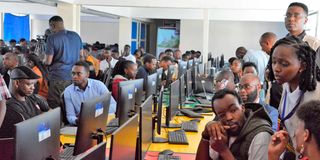
As many Kenyan expatriates are often underprepared for the professional and cultural adaptation pressures in global markets, they tend to struggle to establish themselves. They are at times forced to take up low-skilled work despite their qualifications.
This systemic issue highlights a critical brand risk for Kenyan labour, transforming from an opportunity for economic growth into a reputational hazard where workers are vulnerable to exploitation.
To protect worker dignity and enhance the value of our diaspora, Kenya must move beyond merely exporting labour for purposes of filling job shortage gaps to exporting well-prepared professionals with top-tier, sought-after expertise.
The future of Kenyan labour lies not just in sending workers abroad, but in preparing them to excel, thrive and eventually return to drive national growth. This requires a shift from quantity-focused labour export to quality-focused human capital development.
Schools should not just prepare Kenyans to be employees abroad, but to be entrepreneurs. Fostering a culture of innovation can ensure returning Kenyans turn their international experiences into local businesses, solving the very unemployment that pushed them away.
Additionally, educational institutions must urgently align their curricula with international certification bodies to ensure that a certification earned in Kenya is immediately recognised in any other country abroad.
Beyond technical skills, many Kenyans who travel abroad struggle with language nuances and varying communication styles, which are often major barriers to career progression.
Schools must now comprehensively teach foreign languages as well as professional soft skills such as teamwork, critical thinking and time management, to adequately prepare learners for global job markets.
Parents, on the other hand, must be more discerning about where they enroll their children. Since the roll-out of the competency-based system of education, schools have been vying to be the top choice for learners seeking a holistic education.
With every institution claiming to be the best, finding a school that truly equips a child for a competitive global landscape can be a significant challenge.
To narrow it down, parents should focus on key indicators like curriculum, teacher qualifications, teaching methods and co-curricular opportunities, to set up their children for international success.
The writer is the Head of Marketing and Communications at Crawford International School, Kenya
Unlock a world of exclusive content today!Unlock a world of exclusive content today!