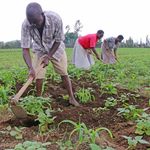
Kenya loses up to 40 percent of the food it produces each year, according to a new World Resources Institute (WRI) Africa report. This equates to around nine million tonnes of food worth Sh72 billion, even as one in four Kenyans struggles daily to get enough to eat.
The loss is not just about empty plates; it is about missed economic opportunities, reduced farmer incomes, and wasted environmental resources.
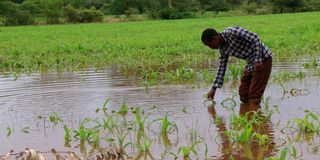
The report, Food Loss and Waste in Maize, Potato, Fresh Fruits, and Fish Value Chains in Kenya 2025, maps out where and why these losses occur.
Maize losses are as high as 36 percent, potatoes at 23 percent, fish at 34 percent, and some fruits, such as mangoes, at up to 56 percent.
These figures point to inefficiencies in production, storage, and distribution systems that undermine both food security and economic stability.
Reducing harvest loss and waste is one of the most direct ways to improve food security without putting more land under cultivation. If Kenya halves its current levels by 2030, it could feed more than seven million people annually, inject Sh36 billion into the economy, and cut more than seven million tonnes of carbon emissions. That is a triple win for people, the economy, and the climate.
The urgency is underscored by the fact that the world is off track to meet the Sustainable Development Goal 12.3 target on halving food waste and reducing food loss by 2030.
Kenya has a 2024–2028 Post-Harvest Management Strategy, yet progress is slow.
Weak monitoring systems, fragmented coordination, and limited financing are persistent challenges.
A practical path forward requires three actions. First, strengthen data and monitoring. Reliable, consistent data can identify hotspots and inform targeted interventions.
Second, scale proven technologies such as hermetic storage, cold chains, farmer training, and food recovery programmes. Third, enforce policies and improve coordination across national and county levels while incentivising value chain actors to reduce losses.
For businesses, tackling food loss and waste is not only a moral imperative but also a financial one.
Reduced losses mean higher margins, improved supply chain efficiency, and stronger brand credibility. For farmers, less waste translates directly into higher incomes and more resilient livelihoods. For consumers, it can mean more affordable and fresher produce.
The opportunity is clear.
By turning commitments into action, Kenya can create a more resilient food system that feeds more people, creates green jobs, and reduces environmental stress. The clock is ticking, and every year of inaction means billions lost, millions unfed, and ecological damage compounded. Acting now is not just an option; it is an economic and social necessity.
The writer is a climate action enthusiast and a communications specialist at Windward Communications Consultancy.
Unlock a world of exclusive content today!Unlock a world of exclusive content today!