Prices for standalone houses soar as Nairobi apartments lose value

HassConsult Limited Head of Development Consulting and Research Sakina Hassanali.

Photo credit: File | Nation Media Group

The prices of detached houses in Nairobi’s middle-income neighbourhoods such as Parklands, Westlands, Hurlingham, Kileleshwa, Kilimani and their surrounding areas recorded the strongest growth over the past year, pointing to a shift in Kenya’s residential property market as buyers increasingly favour larger homes over high-end urban apartments.

New data from the Kenya National Bureau of Statistics (KNBS) Residential Property Price Index shows that the standalone house index in Nairobi’s middle-income segment rose by 20.4 percent between the first quarter of 2025 and a similar period in 2026, marking the highest annual increase among all residential property categories.

Standalone houses in other regions such as the coast also posted strong gains, with prices rising by 12.5 percent, while detached homes in Nairobi’s upper-income neighbourhoods such as Runda and Karen increased by 7.1 percent.

Houses in Nairobi’s other areas, including Nairobi East and Mavoko, also appreciated, recording a 2.9 percent increase over the period under review.

The index growth measures how much house prices in a specific market segment have changed over the period under review. A higher index indicates that property prices in that category have increased, while a decline signals falling prices.

“With respect to standalone houses, the index for all strata increased during the review period, indicating an increase in prices of standalone houses between the first quarter of 2025 and the first quarter of 2026,” said KNBS.

Standalone houses have been a key driver of both the property and land markets as demand for new units continues to outpace supply, buoyed by a growing middle class and improving economic activity.

The growth in standalone house prices has been attributed to demand from wealthy local buyers, expatriates and investors seeking larger homes in gated communities.

This suggests that buyers are increasingly prioritising space, affordability and long-term ownership, reshaping demand in Kenya’s residential property market.

“The supply of standalones has been very low, and that is because it is very capital-intensive as they need huge tracts of land—there is demand but low supply, which is driving the prices,” said HassConsult Co-CEO and Creative Director Sakina Hassanali.

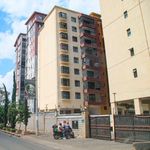
The rise in standalone house prices contrasted with the performance of high-end apartments in Nairobi, where values declined over the same period.

Apartment prices in Nairobi’s upper-income segment fell by 4.8 percent, while those in the middle-income segment declined by 3.3 percent. The index for apartments in Nairobi’s Upper region fell to 90.1 in the first quarter of 2026 from 94.1 a year earlier, while Nairobi’s Middle apartments declined to 85.3 from 88.2.

However, apartment markets outside Nairobi’s prime neighbourhoods continued to register growth. Apartment prices in Nairobi’s other areas increased by 4.2 percent, while those in other regions rose by 7.5 percent, suggesting demand is gradually shifting towards more affordable locations.

Analysts say improved road networks linking Nairobi to satellite towns have also boosted demand for larger suburban homes.

“Expansion of infrastructure and road projects in satellite towns is easing pressure for Nairobi land property development,” said Ms Hassanali.

Developers have increasingly shifted focus to gated communities targeting affluent buyers seeking privacy, security and larger living spaces, while the luxury segment has remained attractive to diaspora investors seeking long-term capital appreciation in prime residential neighbourhoods.

Follow our WhatsApp channelfor the latest business and markets updates

PAYE Tax Calculator

Note: The results are not exact but very close to the actual.