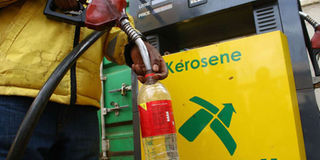
Kerosene consumption increased for the first time in eight years, lifted by demand from a gas turbine power plant in Muhoroni that is critical in stabilising electricity supply in western Kenya.
Official data shows that kerosene consumption in Kenya rose by 18.86 percent in 2025 to 44,120 tonnes, bucking a trend of declining usage over eight consecutive years. The last time kerosene consumption grew was in 2017, when it posted a 2.8 percent increase before the introduction of the anti-adulteration levy.
The rare rise in kerosene consumption in 2025 has been attributed to the 60-megawatt (MW) Muhoroni Gas Turbine (GT) power plant, which was reconnected to the national grid in November 2024 after a year’s absence.
The power plant shut down in June 2023 after its power purchase agreement with Kenya Power expired, but the deal was later reviewed in a bid to stabilise electricity supply in western Kenya.
“The increase in kerosene consumption is as a result of the Muhoroni GT power, which is used to stabilise power supply in the western region of the country,” Daniel Kiptoo, the Director General of the Energy and Petroleum Regulatory Authority (Epra) said on Tuesday.
The return of Muhoroni GT coincided with a rise in monthly kerosene consumption, with an average of 3.67 tonnes last year compared to an average of three tonnes a month in 2024.
Western Kenya does not receive electricity supply from the Olkaria hub in Naivasha due to a lack of high-voltage transmission lines. This has made the Muhoroni GT plant critical, supported by small hydropower plants and electricity imports from Uganda.
Kerosene consumption had been falling continuously since 2018, coinciding with an increase in prices following the introduction of the anti-adulteration levy to curb its use in the adulteration (inflation of volumes) of diesel and petrol sold to motorists.
The levy, charged at Sh18 per litre, helped reduce the price gaps that had for years motivated rogue oil marketers to use the commodity to adulterate diesel and petrol.
Last year’s rise in kerosene consumption earned the government more revenue from the anti-adulteration levy, with an estimated Sh1 billion collected, compared to Sh847 million the previous year.
Collections from this levy hit a record high of Sh7.83 billion in 2018 but have since declined year-on-year, in line with a steady drop in kerosene consumption.
Mr Kiptoo allayed fears that the rise in kerosene consumption could be partly attributed to increased use among low-income households. Kerosene had for years been the go-to cooking fuel for these homes, mainly due to the lack of affordable alternatives.
Use of cooking gas maintained steady year-on-year growth, with 475,950 tonnes used last year, a rise of 14.7 percent from 414,880 tonnes in 2024, signalling that more households are using liquefied petroleum gas for cooking.
However, the use of kerosene for cooking and lighting, especially among low-income households, is likely to rise this year following the exit of Koko Networks, the manufacturer of Koko fuel.
Koko folded its operations in Kenya in February this year after falling out with the government over the sale of carbon credits. The firm had banked on the deal to raise billions of shillings to fund its subsidised fuel and cooking stoves project in the country.
Koko fuel was popular among low-income households due to its affordability, making it a major clean cooking fuel for at least 1.5 million households.