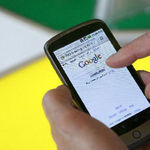
Phone addicts turn to therapy after burnout, anxiety take toll

Helping clients regain control does not necessarily mean asking them to abandon their smartphones. Therapy focuses on helping them become more intentional about using the devices.

Photo credit: Shutterstock

They arrive for therapy complaining of anxiety, poor sleep, relationship problems or burnout. Rarely do they say they are addicted to their phones. As psychologists dig deep, they find these Kenyans have an unhealthy relationship with mobile phones.

The clients start reflecting on their daily routines and realise they are spending hours glued to their screens, often at the expense of work, relationships and sleep.

“It is not usually the presenting problem,” says Serah Wanjiru, a psychologist and founder of Unique Divine Touch Counselling Consultants.

“As the sessions proceed and the client becomes more aware, they are able to point out how they have been using their phone excessively and the consequences that have come with it. It is worrying.”

While many Kenyans rely on them for work, communication and entertainment, psychologists say there is a growing number of Kenyans whose dependence on smartphones has become a concern.

According to Wanjiru, excessive phone use becomes a worry when it starts interfering with normal functioning.

“When one spends most of the time consuming social media, becomes non-productive in developing themselves or cannot function without a phone, then the excessive use is bringing a psychological concern,” she says.

The warning signs are easy to overlook. Some people compulsively check their phones even when there are no notifications, while others experience “phantom vibration”, the sensation that their phone is vibrating when it isn't. Many use their devices to escape boredom, loneliness or anxiety, while others struggle to stay present in conversations because they keep reaching for their phones.

“One repeatedly intends to check one thing and wakes up from a scrolling trance an hour later,” she says.

Stress, loneliness, boredom and work demands contribute to excessive phone use, but Wanjiru believes social media platforms are designed to keep people engaged.

“People want to stay informed. They want to know the trending song or phrase, so they use their phones excessively,” she says.

“The apps are designed in a way that something interesting keeps popping up.”

Contrary to the belief that teenagers are the biggest victims, Wanjiru says adults are increasingly struggling to regulate their screen time.
“It is between 20 and 50 years. Adults have the freedom to use their phones because they buy data and devices,” she says.

Wanjiru says excessive phone use can heighten anxiety, damage self-esteem, strain relationships and reduce productivity.

“Phone use leads to procrastination, which results in low performance,” she says.

“Social comparison affects one’s self-esteem because people feel others are achieving more than they are.”

Helping clients regain control does not necessarily mean asking them to abandon their smartphones. Therapy focuses on helping them become more intentional about using the devices.

“The goal is to move from reactive to intentional usage. Ask yourself why you are picking the phone. Is it to send a message, work or simply scrolling?” Wanjiru says.

She encourages simple habits such like keeping phones out of the bedroom, creating phone-free spaces during meals and setting boundaries around screen time.

For Wanjiru, the wider concern is what excessive phone use is doing to human connection.

“The phone is making people isolate themselves. When you avoid people, you become lonely and lose your support system, which is important for mental health. In the past, people interacted through storytelling, music and communal activities,” she says.

Salima Njoki Macharia, a psychologist and programme officer for Wellness at the East Africa Wellness Hub, says concerns about excessive phone use have become common, though they are rarely the reason people seek therapy.

“What I’ve seen in the last few years is an increasing number of people who are concerned about their relationship with social media and phones,” she says.

“They don’t come to therapy saying, ‘I’m addicted to my phone.’ They come with sleep problems, low self-esteem, poor concentration, relationship rows or emotional exhaustion. As we explore, we realise excessive phone use is part of the problem.”

She cautions against labelling people “phone addicts”, saying the more appropriate professional language is problematic or compulsive smartphone use.

“We are careful when using the word ‘addict’ as it becomes a label. We focus on whether a person feels unable to control how often or how long they use their phone, continues using it despite negative consequences, becomes anxious when separated from it or starts neglecting responsibilities and relationships,” she says.

According to her, the issue is not the number of hours spent on a phone, but the impact it has on a person’s daily life.

“People use phones for work, business, education and communication. The real question is, what impact is it having on your life? Has it begun interfering with your work, school, relationships or daily responsibilities? Is your sleep regularly disrupted? Are you using the phone to escape difficult emotions instead of addressing them?” she says.

Macharia adds that several factors drive excessive phone use, including fear of missing out, loneliness, workplace expectations and social pressure.

“People worry they’ll miss important news, opportunities or what their peers are doing. Others feel they must always be available because work, family or friends expect immediate responses. These factors make people feel they have to remain constantly connected,” she says.

Consequences extend beyond screen time.

“When people spend too much time on their phones, they can experience anxiety, stress, low self-esteem and loneliness. Relationships suffer because there is less meaningful face-to-face interaction and more conflict over divided attention. Late-night scrolling affects sleep, making people tired, irritable and less productive,” she says.

Rather than encouraging people to abandon their devices, Macharia advocates gradual, realistic changes.

“We identify the triggers around excessive phone use, track screen time and set practical goals instead of expecting complete abstinence,” she says.

“Create phone-free periods during meals or before bedtime, remove apps that encourage scrolling and replace screen time with activities you enjoy, such as exercising, reading or spending time with family and friends.”

PAYE Tax Calculator

Note: The results are not exact but very close to the actual.