Workers oppose sale of State’s stake in KPC

kpc

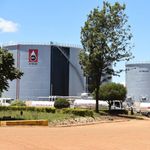
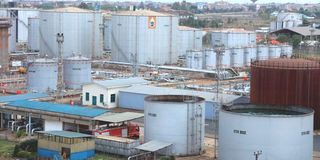
Kenya Pipeline Company (KPC) petroleum storage facility in the Industrial area, Nairobi. 

Photo credit: File | Nation Media Group

Petroleum industry workers have demanded the suspension of the planned privatisation of Kenya Pipeline Company (KPC), saying the sale has been initiated without proper public participation, stakeholder engagement or impact assessment.

The Kenya Petroleum Oil Workers Union has demanded the full disclosure of the rationale, intended beneficiaries and the projected impact of the sale.
Union Secretary-General George Okoth told the National Assembly Committees on Energy and the Debt and Privatisation, which are scrutinising a Sessional Paper on the sale of KPC shares, to suspend the plans.

Appearing before the team to present views on the proposed sale of 65 percent of KPC shares, Mr Okoth said privatisation usually leads to job cuts, outsourcing and erosion of negotiated benefits to workers.

He said thousands of KPC dedicated staff could be retrenched or subjected to casualisation, undermining years of service and national workforce development.

“Workers, industry experts and the civil society have been excluded from a process that affects the entire nation. This lack of transparency goes against the constitutional principles of public accountability and informed consent,” Mr Okoth told the lawmakers.

Treasury Cabinet Secretary John Mbadi told the joint committee on Monday that the government would retain about 35 per cent shareholding in KPC if the privatisation of the state-owned enterprise is through an Initial Public Offer.

Mr Mbadi said Treasury is engaging a transaction adviser. He added that KPC is valued at Sh120 billion and the sale of shares would raise Sh100 billion for infrastructure budgetary support. KPC is 100 per cent state-owned.

Mr Okoth told the committees to ensure a comprehensive public participation and that independent policy review through Parliament and relevant organs be undertaken before KPC is privatised.

“The union demands legally binding assurance that current KPC employees will retain their jobs, benefits and union recognition in the event of any structural changes,” Mr Okoth said.

“Alternative reforms to improve governance, reduce inefficiencies, and enhance transparency at KPC, without compromising public ownership.”

Mr Okoth told lawmakers to address their demands promptly and adequately; failure of which the union will mobilise members to initiate industrial action as provided under the Labour Relations Act, and pursue legal remedies to protect both workers and national interests.

“The government must recognise that strategic assets like KPC are not for sale, they are public utilities that must remain under democratic control to safeguard national interest,” Mr Okoth said in submissions to the joint team.

“We urge the government to prioritise the welfare of the people and the long-term interests of the country over short-term fiscal consideration or political expediency.”

The union leaders said privatising KPC would amount to surrendering control of the vital artery of the economy to potentially foreign interests.

In their opposition to the KPC sale, the union said it would amount to a threat to national energy security, potential for exploitation and price manipulation, and job losses and violation of workers’ rights.

PAYE Tax Calculator

Note: The results are not exact but very close to the actual.