Kepsa seeks PAYE cuts on salaries above Sh500,000

The proposals to cut PAYE reflect growing concern within the private sector that aggressive taxation is dampening consumption and weakening Kenya’s attractiveness to skilled professionals and investors.

Photo credit: Shutterstock

The Kenya Private Sector Alliance (Kepsa) is seeking a tax cut for workers earning more than Sh500,000 per month, arguing that easing the burden on top earners would boost disposable income, stimulate spending and support economic growth.

The private sector lobby wants the top Pay-As-You-Earn (PAYE) rate capped at 30 percent and monthly personal relief for all workers raised to Sh3,000 from the current Sh2,400.
In proposals to the National Assembly Finance and National Planning Committee, Kepsa said adopting its proposals will put an estimated Sh28.1 billion in workers’ pockets.

This, it argued, will potentially drive a Sh42 billion expansion in economic output, or gross domestic product (GDP), and support up to 36,000 new jobs. The business leaders want the proposal to form part of the Finance Bill 2026, which will be presented to the National Assembly by end of the month for debate, amendment and adoption.

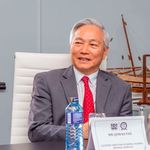
“The Finance Bill 2026 presents an opportunity not just to assess fiscal numbers but to reanchor Kenya’s policy direction toward stability, competitiveness and long-term growth,” Kepsa director James Mwangi said in a statement following the meeting.

The proposal directly targets latest amendments under the Finance Act 2023, which introduced higher PAYE bands of 32.5 percent on income between Sh500,000 and Sh800,000, and 35 percent on all earnings above that threshold.

Kenya’s PAYE structure also imposes a 10 percent tax on monthly income up to Sh24,000 — which is handed back to workers in form of relief of Sh2,400. The PAYE rate rises to 25 percent for salary income between Sh24,001 and Sh32,333, and 30 percent for earnings up to Sh500,000.

The push by Kepsa builds on earlier proposals by the Kenya Bankers Association (KBA), which in February called for a uniform five percentage-point reduction in PAYE rates across all income bands. The bankers argued that a broad-based cut — capped at 30 percent for top earners — would restore purchasing power, support growth and ultimately strengthen tax revenues.

In submissions to the Treasury, KBA said aligning the top PAYE rate at 30 percent would also be consistent with the National Tax Policy 2023, which recommends that personal income tax should not exceed corporate tax rates.

The private sector’s proposal came against the backdrop of earlier plans by Treasury Cabinet Secretary John Mbadi to grant targeted relief to low-income earners.

In February, Mr Mbadi proposed tax cuts of between Sh731 and Sh2,127 for workers earning Sh50,000 and below, and indicated that those earning Sh30,000 or less could be exempted from PAYE through a Tax Laws (Amendment) Bill 2026.

“We have agreed with the President [William Ruto] that low-income earners in this country should be given a reprieve,” Mr Mbadi said at the time.

However, the plan has since been shelved, with Mr Mbadi telling lawmakers in March that the standalone Bill was dropped due to its proximity to the Finance Bill 2026, which must be tabled by April 30 and passed by June.

The Treasury instead opted to consolidate the proposals into a single legislative process.

The proposals to cut PAYE reflect growing concern within the private sector that aggressive taxation is dampening consumption and weakening Kenya’s attractiveness to skilled professionals and investors.

Business leaders warned that policy unpredictability and rising tax burden risk eroding competitiveness at a time when the economy is under strain.

Kepsa framed the current environment as a “triple crisis” marked by fiscal pressure, energy constraints and regulatory instability. With the national budget standing at more than Sh4.7 trillion and debt servicing consuming more than half of government revenues, businesses say the room for further tax increases is limited.

Pending bills, estimated at Sh664.8 billion, have further squeezed liquidity in the private sector, slowing operations and investment.

Lawmakers signalled openness to the proposals but cautioned that any tax cuts must be weighed against the government’s urgent need to mobilise revenue.

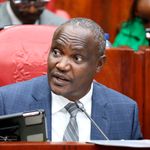
Speaking on behalf of the committee chair, Turkana South MP John Namoit said Parliament would seek a balance between raising funds and sustaining growth.

“Sustainable fiscal policy must not only secure government resources, but also create an enabling environment for enterprise, innovation and competitiveness,” he was quoted saying in a statement.

Mr Namoit added that the Finance Bill would be treated as part of a broader economic strategy rather than a standalone exercise.

Follow our WhatsApp channel for the latest business and markets updates.

PAYE Tax Calculator

Note: The results are not exact but very close to the actual.