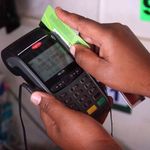
The value of payments made through cards fell to Sh521.3 billion in the 12 months to June 2025, compared to Sh594.2 billion in a similar period last year, cementing a trend of slumps attributed to an increase in mobile banking.
The use of bank cards for purchasing goods and services has declined over the last six years, with consumers increasingly opting for alternative payment methods such as cash and mobile money wallets.
Analysis of data from the Central Bank of Kenya (CBK) reveals that the value of card transactions decreased during the review period due to the emergence of alternative payment channels and a decline in the number of active cards in circulation.
The number of cards fell by 4,407 from 41,914 in June last year to 38,359 in a similar period this year.
The highest value of card transactions (Sh50.09 million) was recorded in August 2025, which coincided with the start of the third term at school. This could indicate an increase in card payments for back-to-school shopping.
In December, the second-highest number of transactions was recorded, totalling Sh46.8 million, as many shoppers prepared for the festive season.
The value of transactions increased during the months when schools reopened, including January, March, April and September.
Fewer people are tapping to pay, as Kenyans rely more on mobile payments.
The number of mobile transactions in the 12 months to June increased from 2.4 billion to 2.8 billion.
Despite the number of transactions rising, the value fell slightly to Sh8.4 trillion from Sh8.6 trillion in the comparative period.
This means that although the transactions were many, they were small-ticket transactions.
The number of registered mobile accounts rose to 84.2 million in June 2025 from 77.92 million in the same month last year, signalling the increased uptake of the platforms run by telecommunications firms.
In 2023, the CBK approved requests from Safaricom, Telkom Kenya, and Airtel Kenya to raise daily transaction limits and mobile wallet account limits.
This policy shift aimed to accelerate the adoption of mobile money services, which have become a cornerstone of Kenya’s digital financial ecosystem.
The revised limits were particularly significant for micro, small, and medium enterprises, many of which had previously been hampered by restrictive caps that limited their ability to conduct higher-value or more frequent transactions, despite growing reliance on cashless payments.
This regulatory move came at a time when economic pressures were forcing many Kenyans to adjust their financial behaviours.
To navigate rising transaction costs, users increasingly turned to sending smaller amounts of money more frequently, a tactic to minimise fees.
Even so, mobile money continues to gain ground over physical cash in everyday use, underscoring a broader shift toward digital financial inclusion.