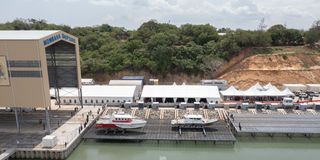
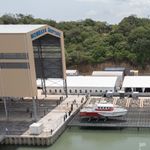
The government targets Sh6.8 billion in annual savings from its refurbished shipbuilding and repairs facility in Mtongwe, Mombasa.
The Kenya Shipyard Limited (KSL), which manages the facility, said it projects cost savings in the repair of State-owned vessels, including those owned by the Kenya Navy.
The new yard, which can handle four vessels at one time, will also help other State agencies cut the costs of repairing their vessels at private shipyards.
Before the completion of the yard, vessels belonging to Kenya Ferry Services, Kenya Ports Authority, the Fisheries Departments, and the Kenya Navy were serviced at a privately owned facility in Mombasa run by Southern Engineering.
The vessels were also serviced in far-flung outlets in Asia or Europe, raising the cost of operations.
The government intends to utilise the workforce from the Kenya Defence Forces to maximise operations at the facility and support the blue economy sector.
“With our officers specialised in engineering and other metal works, we reduce the time of repairing by more than half since they work in three shifts of eight hours, making the facility a 24-hour operation, unlike in private companies where they work only eight hours,” said KSL Managing Director Said Farah.
The Kenya Shipyard Limited now offers commercial services buoyed by the demand for repairs of sea vessels operating in the Indian Ocean and Lake Victoria waterways.
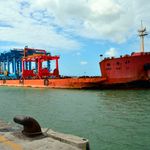
The refurbished yard in Mtongwe has already attracted different clients in the region, the latest being MV Ikraam I, which transports 1,156 passengers and 350 tonnes of cargo daily between Unguja, Pemba, and mainland Tanzania.
The eastern coast of Africa has only four shipyards, located in Egypt, Djibouti, and South Africa.
Initial assessments indicate that these shipyards are fully booked all year round, indicating a huge demand that has previously seen Kenya and its neighbours service most of their ships and other mobile maritime assets in Europe and Asia.
Maintenance, refits, repairs, and new builds in Europe and Asia attract additional charges of about 15 percent of the total cost due to logistics and high labour costs. As maritime traffic intensifies with dozens of vessels calling at different ports, regional repair capacity becomes a strategic imperative.